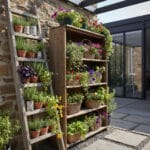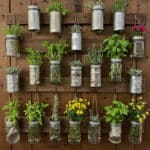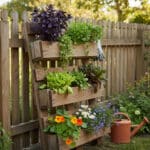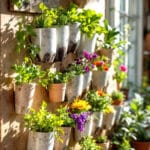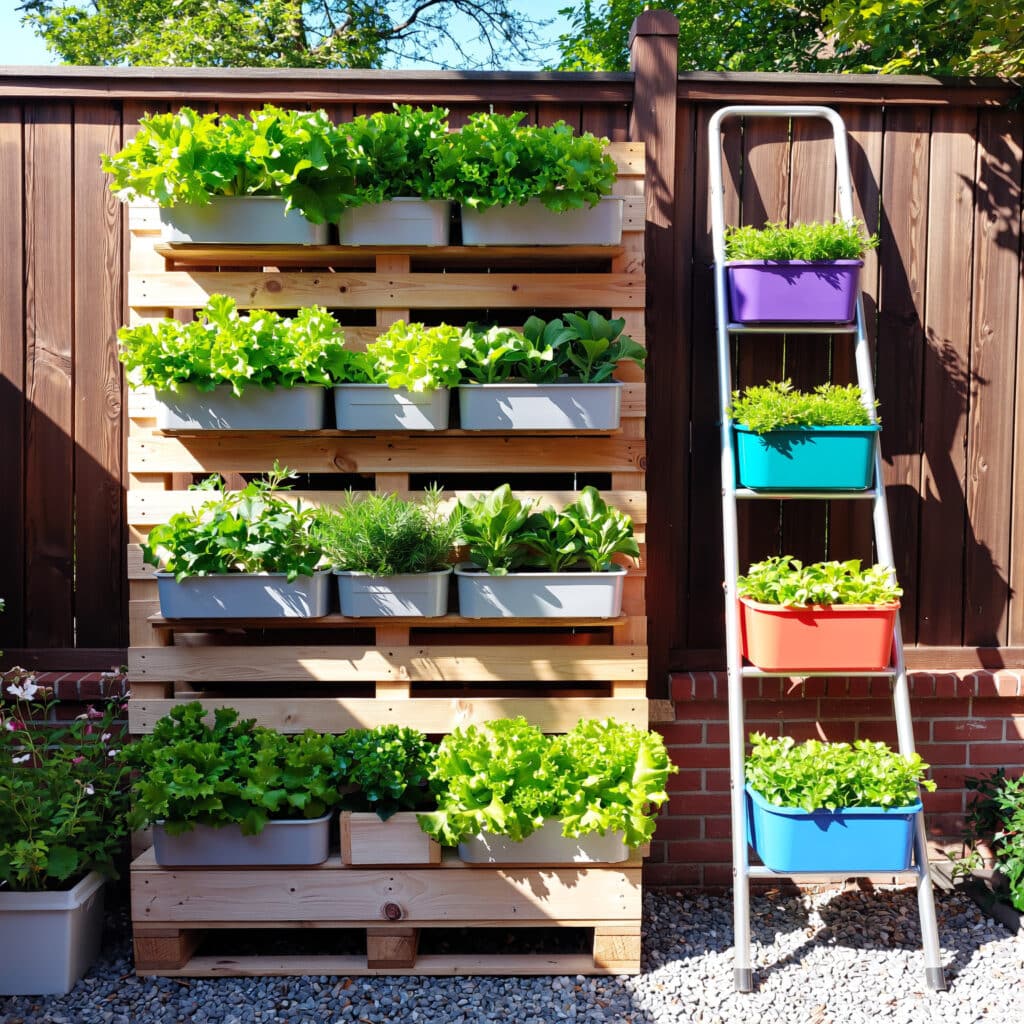
Vertical gardening has become one of the most exciting ways to bring greenery into small spaces, but buying pre-made systems can be expensive. That’s where recycled materials come in. From plastic bottles to old ladders, turning everyday objects into planters not only saves money but also helps reduce waste. Whether you live in a city apartment or have a spacious backyard, you can design a unique garden wall that reflects your style while keeping sustainability in mind.
In this guide, we’ll explore 15 creative DIY vertical garden ideas using recycled materials. You’ll discover practical tips, step-by-step inspiration, and the best plants to grow in each setup. Many of these projects take less than a weekend to build and can transform dull walls, balconies, or corners into thriving green spaces.
Why Choose Recycled Materials for Vertical Gardens?
Recycling for gardening is more than just a budget-friendly hack—it’s a way to design with purpose. Instead of throwing away plastic bottles, pallets, or tin cans, you can give them a second life as planters. Here are some key benefits:
- Eco-friendly living: Every upcycled container reduces landfill waste and lowers your environmental footprint.
- Affordable solutions: Most recycled projects cost little to nothing, compared to store-bought vertical garden kits.
- Creative design freedom: No two recycled gardens look the same—you can mix materials for a rustic, modern, or playful style.
- Practical functionality: Many materials, like pallets and PVC pipes, naturally lend themselves to vertical layouts.
With a little creativity, you’ll find that almost any recycled item can become part of your vertical garden. Let’s dive into the ideas.
15 Creative DIY Vertical Garden Ideas
1. Plastic Bottle Vertical Garden
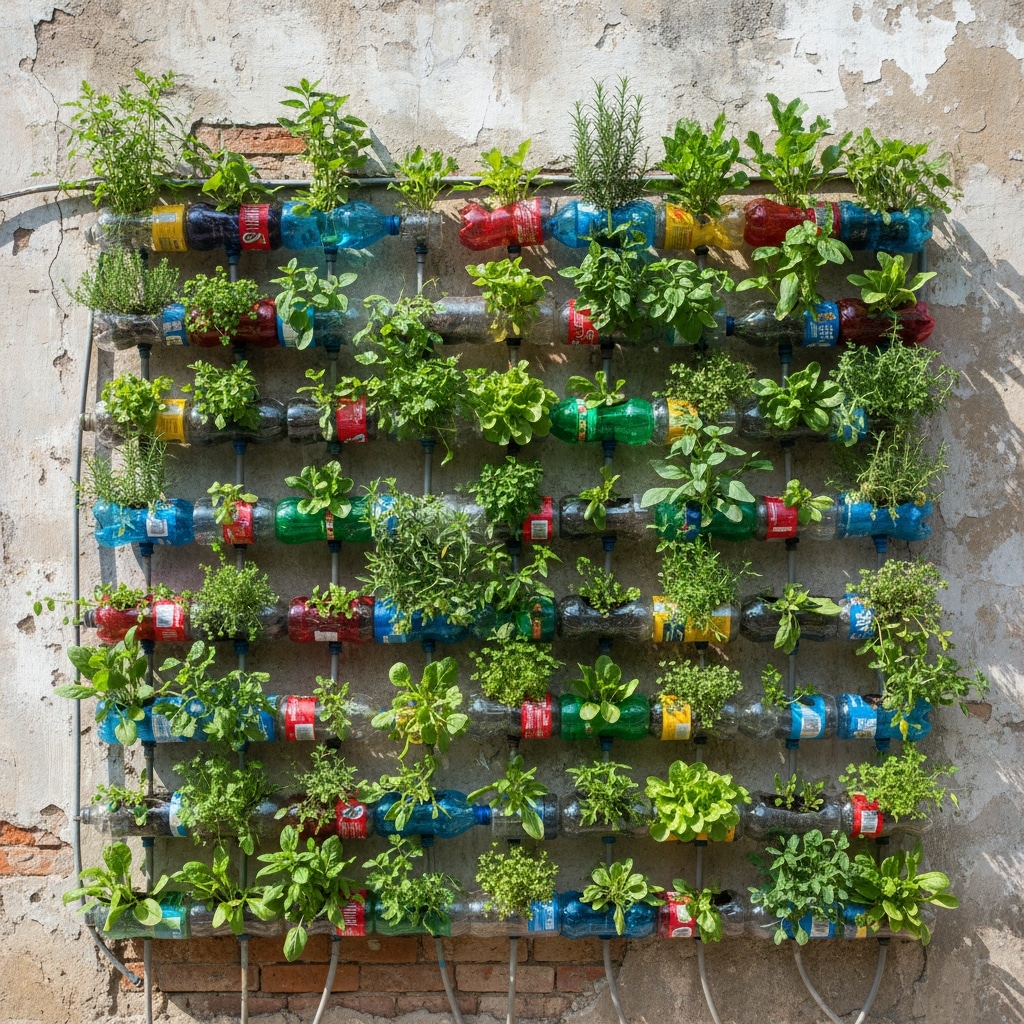
One of the easiest and most popular recycled projects is the plastic bottle vertical garden. These bottles are light, versatile, and available in almost every household. With just a few tools, you can turn them into mini planters for herbs, flowers, or even leafy greens.
How to Build It:
- Collect medium to large plastic bottles (1.5–2 liters work best).
- Cut an opening along the side for planting space, leaving enough plastic to hold soil.
- Puncture small drainage holes at the bottom.
- Thread strong wire or rope through the bottles to hang them vertically.
- Fill with potting mix and plant herbs like basil, parsley, or mint.
Best Plants to Grow:
- Culinary herbs (basil, coriander, oregano)
- Leafy greens (spinach, lettuce, kale)
- Small flowering plants (petunias, marigolds)
Pro Tips:
- Paint bottles or wrap them with jute rope for a more aesthetic finish.
- Arrange them in staggered rows on walls, fences, or balconies for even sunlight.
- Consider using drip irrigation or a bottle-to-bottle watering system for easy care.
💡 Want to take it further? Check out our full guide on how to build a vertical garden with plastic bottles for step-by-step instructions and design ideas.
2. Wooden Pallet Vertical Garden
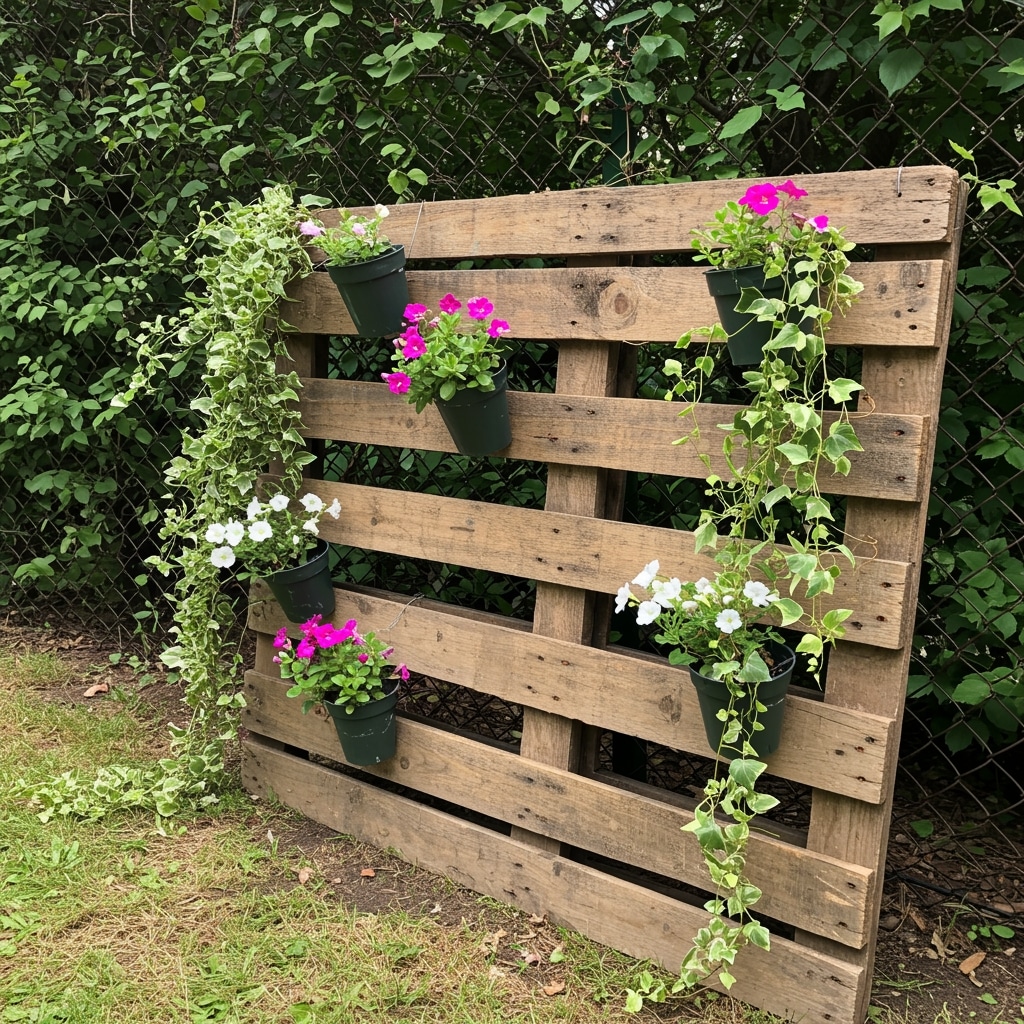
Wooden pallets are one of the most versatile and cost-effective materials for vertical gardening. They’re sturdy, easy to find (often free at local warehouses), and provide a natural rustic look that fits beautifully in outdoor spaces.
How to Build It:
- Choose a safe pallet — look for the “HT” (heat-treated) stamp, which means it’s chemical-free.
- Sand down any rough edges to avoid splinters.
- Line the back and sides with landscape fabric or geotextile to hold soil in place.
- Fill the gaps with soil and plant directly into the pallet slats.
- Place the pallet upright against a wall or fence, or let it stand independently with supports.
Best Plants to Grow:
- Succulents and cacti for low-maintenance walls
- Strawberries and lettuce for edible gardens
- Ferns and ivy for decorative greenery
Pro Tips:
- Seal the wood with an eco-friendly varnish to protect it from weathering.
- Water from the top to let moisture trickle down evenly.
- Keep pallets slightly tilted for better drainage and airflow.
🌿 Explore more detailed designs in our full article on repurposing wooden pallets into vertical planters.
3. Mason Jar Vertical Garden
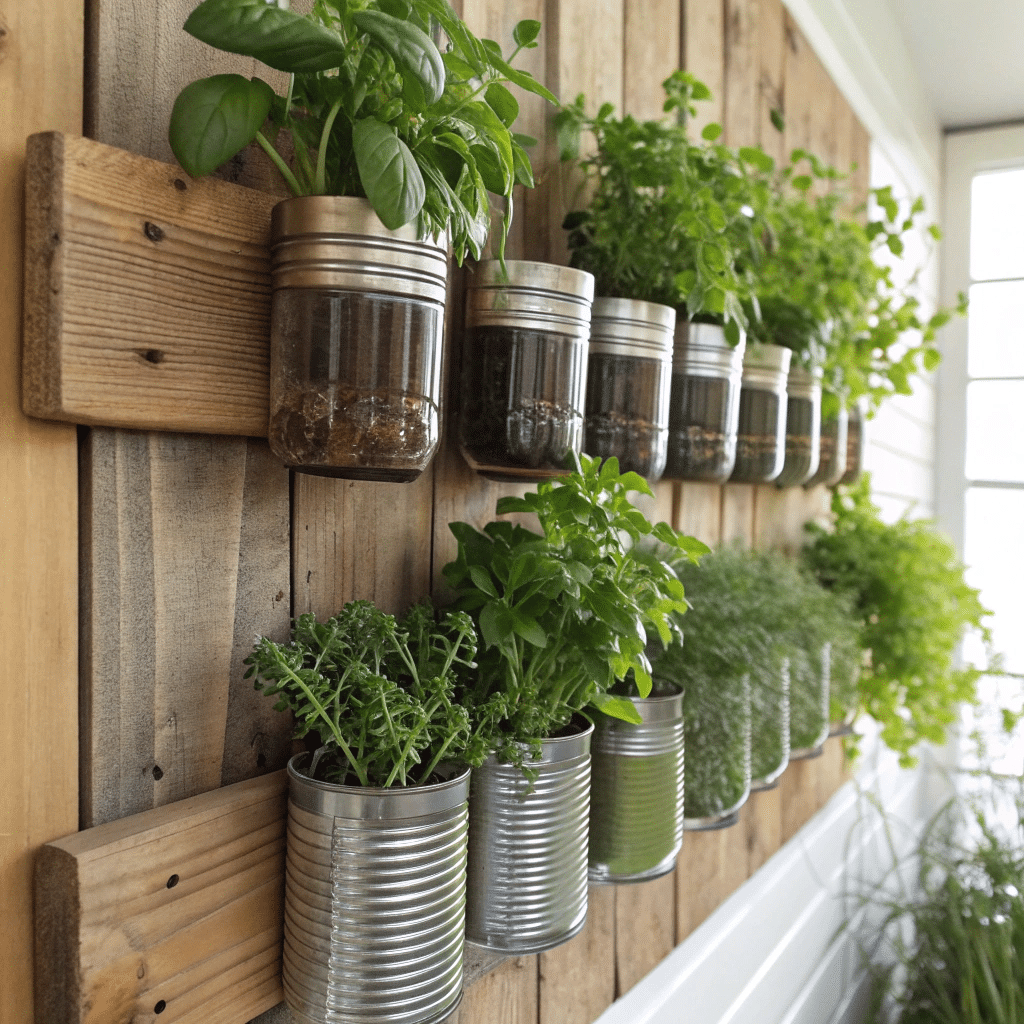
For those who want a charming indoor vertical garden, mason jars are a fantastic option. They’re compact, reusable, and perfect for growing herbs right in your kitchen. Mounted on a wall or board, they double as functional planters and rustic décor.
How to Build It:
- Gather a set of mason jars (or any clear glass jars).
- Secure hose clamps or metal rings to a wooden board, wall rack, or reclaimed frame.
- Insert the jars into the clamps and tighten them in place.
- Add small stones or pebbles at the bottom for drainage, then fill with potting soil.
- Plant herbs or small indoor plants that thrive in contained spaces.
Best Plants to Grow:
- Culinary herbs (thyme, rosemary, chives, parsley)
- Small succulents
- Air plants for low-maintenance options
Pro Tips:
- Position jars near a sunny window or under a grow light.
- Avoid overwatering—glass jars don’t drain like regular pots.
- For variety, mix jars with tin cans for a rustic-industrial look.
💡 For more creative pairings, explore our guide on Mason jar & tin can vertical garden DIYs.
4. Tin Can Vertical Garden
Tin cans are another simple and affordable way to upcycle kitchen waste into a vertical garden. With a little creativity, these everyday containers can become colorful, rustic planters that brighten up walls, fences, or balconies.
How to Build It:
- Collect empty soup, coffee, or bean cans.
- Wash them thoroughly and remove any sharp edges.
- Drill a few small drainage holes at the bottom.
- Paint or decorate the cans to add personality—chalk paint or spray paint works well.
- Attach cans to a wooden board, fence, or metal frame using nails, screws, or strong hooks.
Best Plants to Grow:
- Compact herbs (basil, oregano, mint)
- Small flowers (pansies, marigolds, petunias)
- Succulents for easy maintenance
Pro Tips:
- Use cans of varying sizes for visual interest.
- Arrange them in rows or patterns to create a “living mosaic.”
- Combine with mason jars for a mixed recycled garden design.
🌱 Want more ideas? Take a look at our article on Mason Jar & Tin Can Vertical Garden DIYs for step-by-step inspiration.
5. Gutter Vertical Planters
Old rain gutters can be transformed into sleek, space-saving planters that are ideal for walls, balconies, and fences. Their long, narrow shape makes them perfect for growing shallow-rooted plants while creating a modern, layered garden look.
How to Build It:
- Find old or unused metal or PVC rain gutters.
- Cut them into equal lengths (around 3–4 feet each works best).
- Drill drainage holes along the bottom.
- Mount the gutters horizontally on a wall, wooden frame, or fence using brackets.
- Fill with lightweight potting mix and plant shallow-rooted greenery.
Best Plants to Grow:
- Herbs like chives, parsley, and cilantro
- Leafy greens (lettuce, arugula, spinach)
- Small strawberries for edible walls
Pro Tips:
- Arrange gutters in staggered rows for visual appeal and better sunlight coverage.
- Add end caps to prevent soil from spilling out.
- Use lightweight soil to avoid excess pressure on the mounts.
🌿 For more inspiration, pair gutter planters with plastic bottles or tin cans to create a truly recycled garden wall.
6. Shoe Organizer Hanging Garden
Fabric or canvas shoe organizers can be easily transformed into vertical gardens, making them an excellent choice for balconies, patios, or even indoor spaces. Each pocket acts as a small planter, perfect for herbs, flowers, or decorative plants.
How to Build It:
- Find a sturdy canvas or fabric shoe organizer with deep pockets.
- Hang it on a wall, fence, or balcony railing using hooks or nails.
- Line each pocket with a bit of plastic or landscape fabric to help retain soil.
- Fill with potting mix and plant herbs, flowers, or leafy greens.
Best Plants to Grow:
- Culinary herbs (parsley, mint, basil)
- Leafy greens (spinach, kale, lettuce)
- Small flowers like pansies or petunias
Pro Tips:
- Water slowly—fabric organizers can drain quickly.
- Choose a shady to semi-sunny location to prevent the fabric from drying out too fast.
- For an eco-friendly touch, use old or second-hand organizers instead of buying new ones.
🌱 This setup works especially well in apartments with limited space, making it a budget-friendly indoor garden solution.
7. Old Ladder Vertical Garden
An old wooden or metal ladder can be repurposed into a rustic vertical planter, perfect for patios, backyards, or even indoor corners. Its natural tiered structure makes it easy to arrange multiple pots at different heights, creating depth and visual interest.
How to Build It:
- Find an old ladder (wooden ones add more rustic charm).
- Sand and repaint if needed to protect it from weathering.
- Place the ladder against a wall or let it stand freely with support.
- Arrange pots, planters, or even recycled containers (like tin cans or mason jars) on each step.
Best Plants to Grow:
- Cascading plants (ivy, pothos, spider plants)
- Herbs in small pots
- Bright flowers for colorful accents
Pro Tips:
- For extra stability, secure the ladder to a wall or fence.
- Mix pot sizes and plant types for a more dynamic look.
- Add hanging containers from the rungs to maximize planting space.
🌿 See more creative ways to repurpose old furniture in our guide on using ladders & shelves for vertical gardens.
8. Bookshelf & Rack Planters
Old bookshelves, kitchen racks, or storage units can be repurposed into stylish vertical gardens. Their built-in shelves make them ideal for holding multiple pots, turning unused furniture into a green statement piece for both indoor and outdoor spaces.
How to Build It:
- Select a sturdy bookshelf or rack (wooden or metal).
- Treat or repaint it to protect against moisture and outdoor elements.
- Place pots, mason jars, or tin cans on each shelf.
- Position the unit against a wall, on a balcony, or in a shaded garden corner.
Best Plants to Grow:
- Herbs in jars or small pots (oregano, basil, thyme)
- Decorative foliage (ferns, calatheas, pothos)
- Flowering plants for a colorful accent
Pro Tips:
- Use trays under pots to catch excess water and protect the shelves.
- Combine recycled containers like mason jars and tin cans for a rustic look.
- Mix cascading plants on top shelves with upright plants below for a layered effect.
🌱 For more inspiration, check out how to repurpose ladders & shelves into vertical gardens in our dedicated guide.
9. Wooden Crate Vertical Garden
Wooden crates are not only practical for storage but also perfect for building rustic vertical gardens. By stacking or mounting them, you can create a flexible, modular system that works in patios, balconies, or even indoor spaces.
How to Build It:
- Collect sturdy wooden crates (fruit or wine crates work best).
- Sand and seal the wood to protect against weathering.
- Stack crates vertically in a staggered arrangement, or mount them directly to a wall.
- Place pots inside, or fill the crates directly with soil.
Best Plants to Grow:
- Herbs and leafy greens
- Small flowering plants (lavender, daisies)
- Trailing plants like ivy or pothos
Pro Tips:
- Secure stacked crates with screws or brackets for stability.
- Mix crate sizes for a more dynamic, artistic look.
- For a portable version, add caster wheels to the bottom crate.
🌿 Combine crates with pallets or ladders to create a larger recycled-material garden wall.
10. Old Window Frame Vertical Garden
An old wooden or metal window frame can be transformed into a unique vertical garden that doubles as rustic décor. Its natural grid design makes it easy to attach small containers or support climbing plants, creating a charming vintage look.
How to Build It:
- Find an old window frame—preferably wooden for a rustic vibe.
- Clean, sand, and repaint if needed to protect it from weather damage.
- Attach small pots, mason jars, or tin cans directly onto the frame using hooks or clamps.
- Mount the frame on a wall, fence, or lean it against a stable surface.
Best Plants to Grow:
- Small herbs (parsley, oregano, thyme)
- Succulents for low-maintenance décor
- Climbing plants (ivy, jasmine, morning glory)
Pro Tips:
- Add chicken wire or mesh to the back for extra planting support.
- Use different pot sizes to give dimension and texture.
- Position it as a focal piece on a patio or balcony wall.
🌱 For a rustic garden wall, pair a window frame garden with wooden crates or pallet planters for a cohesive design.
11. PVC Pipe Planters
Leftover PVC pipes from home projects can be cleverly upcycled into modern vertical planters. Their hollow, durable structure makes them perfect for arranging rows of plants while keeping the design sleek and minimal.
How to Build It:
- Cut PVC pipes into sections (around 12–18 inches each).
- Drill planting holes along the sides, spaced about 6–8 inches apart.
- Seal one end of each pipe with a cap, leaving the top open for watering.
- Mount pipes vertically to a wall or stand them in a frame.
- Fill with lightweight soil and insert plants into the side holes.
Best Plants to Grow:
- Strawberries and cherry tomatoes
- Leafy greens (lettuce, spinach, kale)
- Herbs like cilantro, parsley, and mint
Pro Tips:
- Install a simple drip irrigation tube inside for even watering.
- Keep pipes at a slight tilt to improve drainage.
- Combine different pipe sizes for a layered, modern effect.
🌱 Pair PVC pipe planters with gutter gardens for a low-cost but highly productive vertical growing system.
12. Hanging Basket Chains
Hanging baskets are a classic gardening choice, but when connected with chains, they become a vertical garden that saves floor space and adds dimension to walls, balconies, or patios. This design is especially appealing for cascading plants and flowers.
How to Build It:
- Collect recycled baskets (wicker, metal, or plastic).
- Line each basket with coconut fiber or landscape fabric for soil support.
- Use strong chains or rope to link multiple baskets vertically.
- Hang them from a sturdy hook, pergola, or balcony beam.
- Fill with potting mix and add plants that benefit from good drainage.
Best Plants to Grow:
- Cascading flowers (petunias, geraniums, nasturtiums)
- Strawberries for an edible version
- Herbs like thyme and oregano
Pro Tips:
- Keep heavier baskets at the bottom for balance.
- Water gently to prevent overflow from top baskets.
- Mix flowers and edibles for a colorful, functional garden tower.
🌿 Combine hanging basket chains with ladder gardens or shelf planters to create layered green zones in small spaces.
13. Bicycle Wheel Vertical Planter
Old bicycle wheels can be transformed into artistic and functional vertical gardens. Their circular frame and metal spokes make them perfect for supporting small pots or trailing plants, giving your garden wall a creative, upcycled touch.
How to Build It:
- Find an old bicycle wheel (with or without the tire).
- Clean and repaint the frame for durability and aesthetics.
- Attach small pots, tin cans, or mason jars to the spokes using wire or hooks.
- Mount the wheel on a wall, fence, or wooden frame.
- Add plants that spill over the edges for a dynamic look.
Best Plants to Grow:
- Cascading plants (string of pearls, ivy, pothos)
- Small herbs like mint or thyme
- Succulents for low-maintenance décor
Pro Tips:
- Use multiple wheels of different sizes for a striking wall display.
- Paint wheels in bright colors for a playful garden art piece.
- For indoor use, combine with air plants to reduce watering needs.
🌱 A bicycle wheel garden pairs beautifully with window frame gardens for a rustic and artistic vertical wall.
14. Repurposed Drawers Garden
Old dressers or discarded drawers can find a second life as creative vertical planters. By stacking or wall-mounting them, you can build a layered garden that blends vintage charm with functional planting space.
How to Build It:
- Salvage drawers from an old dresser or cabinet.
- Sand, paint, or stain them to match your garden’s style.
- Stack drawers in a staggered formation or mount them directly onto a wall.
- Line the inside with plastic or landscape fabric to protect the wood.
- Fill with soil and plant herbs, flowers, or decorative foliage.
Best Plants to Grow:
- Herbs (basil, parsley, oregano)
- Colorful flowers (pansies, begonias, daisies)
- Ornamental grasses for texture
Pro Tips:
- Secure stacked drawers with brackets or screws for safety.
- Mix drawer sizes for a quirky, eclectic look.
- Add caster wheels underneath for easy mobility in patios or balconies.
🌱 For a cohesive recycled setup, pair repurposed drawers with wooden crate gardens to create a rustic, modular vertical garden system.
15. Eco-Friendly Mix & Match Materials
Sometimes the best vertical gardens come from blending multiple recycled materials into one creative design. Mixing textures, colors, and shapes allows you to build a garden wall that’s not only sustainable but also highly personal.
How to Build It:
- Collect a variety of upcycled items—plastic bottles, tin cans, wooden crates, pallets, or even old fabric.
- Decide on a design layout (grid, staggered rows, or freestyle).
- Mount containers onto a wall, frame, or recycled furniture base.
- Arrange plants based on sunlight needs and growth habits.
- Add finishing touches with paint, rope, or reclaimed wood trims for style.
Best Plants to Grow:
- Herbs and leafy greens for functionality
- Cascading plants (ivy, pothos, strawberries)
- Succulents for easy maintenance in small containers
Pro Tips:
- Combine sturdy bases (like pallets or crates) with lightweight add-ons (like bottles and cans).
- Use a unified color scheme (painted containers in earth tones or bright colors) to tie the design together.
- Ensure proper drainage across all materials to avoid waterlogging.
🌿 Discover more sustainable inspiration in our guide on eco-friendly vertical gardens using upcycled materials.
Tips for Building Safe & Long-Lasting DIY Vertical Gardens
While recycled materials are affordable and eco-friendly, not every item is automatically safe for planting. Following a few essential tips will help your DIY vertical garden thrive and last for years.
1. Choose Safe Materials
- Look for pallets marked HT (Heat Treated) rather than MB (Methyl Bromide), which contains harmful chemicals.
- Avoid containers that once held toxic substances (paint, oil, chemicals).
- Use food-safe plastics and untreated wood whenever possible.
2. Ensure Proper Drainage
- Drill small holes at the bottom of bottles, cans, or crates to prevent waterlogging.
- Add a base layer of pebbles, gravel, or broken clay pots for extra drainage.
- Consider lining fabric-based planters with plastic to extend their lifespan.
3. Think About Weight & Stability
- Heavy materials like wooden pallets and crates should be secured with screws, nails, or wall brackets.
- Use lighter containers (plastic bottles, cans) higher up, and sturdier bases below.
- For free-standing designs, anchor structures to prevent tipping.
4. Match Plants with Containers
- Shallow containers (gutters, jars) suit herbs and greens.
- Larger crates or pallets can handle vegetables and trailing plants.
- Choose drought-tolerant species (succulents, ivy) for containers that dry out quickly.
5. Maintenance & Longevity
- Seal wood with eco-friendly varnish to resist moisture.
- Check regularly for rust on metal containers or wear on fabrics.
- Refresh soil every season to keep plants healthy and nutrient-rich.
🌱 Following these steps ensures your vertical garden is not only creative and sustainable but also durable and safe for long-term use.
Conclusion
Creating a vertical garden with recycled materials is more than just a gardening trend—it’s a lifestyle choice that blends sustainability, creativity, and functionality. From plastic bottles and tin cans to pallets, ladders, and old furniture, almost anything can be transformed into a thriving green wall with a little imagination.
By experimenting with these 15 DIY ideas, you’ll not only reduce waste but also design a space that reflects your personality and care for the environment. Whether you’re looking to grow fresh herbs in your kitchen, add a splash of color to your balcony, or build a full outdoor living wall, recycled materials provide endless possibilities.
🌱 Remember:
- Start small with simple projects like mason jars or shoe organizers.
- Scale up with pallets, crates, and furniture as you gain confidence.
- Mix and match materials for a unique garden that tells your story.
In the end, your vertical garden will do more than save space—it will turn discarded items into life, beauty, and inspiration.
Frequently Asked Questions
1. How do you make a vertical garden with recycled materials?
Choose a sturdy structure such as a pallet, ladder, or wall grid. Add containers made from upcycled items like bottles, cans, crates, or jars. Fill with lightweight soil and select plants suited to your location’s light and climate.
2. What are the benefits of using recycled materials for vertical gardening?
They lower costs, reduce waste, and give your garden a unique, creative style. Plus, many recycled materials are lightweight and easy to adapt for vertical growing.
3. Which recycled materials work best for vertical gardens?
Wooden pallets, plastic bottles, tin cans, old crates, ladders, fabric organizers, and window frames are some of the most versatile and accessible options.
4. What plants grow best in a recycled vertical garden?
Herbs, leafy greens, strawberries, compact flowers, and trailing plants work well, as they adapt easily to container growth and shallow soil.
5. How can I make a recycled vertical garden last longer?
Clean and treat materials before use, drill proper drainage holes, and use weather-resistant sealants on wood or metal to prevent decay and rust.
6. Can recycled vertical gardens be used indoors?
Yes — choose clean, safe materials and ensure they have proper drainage. Position them near a sunny window or use grow lights to keep plants healthy.