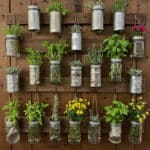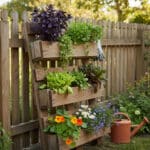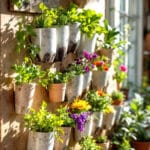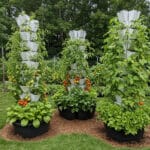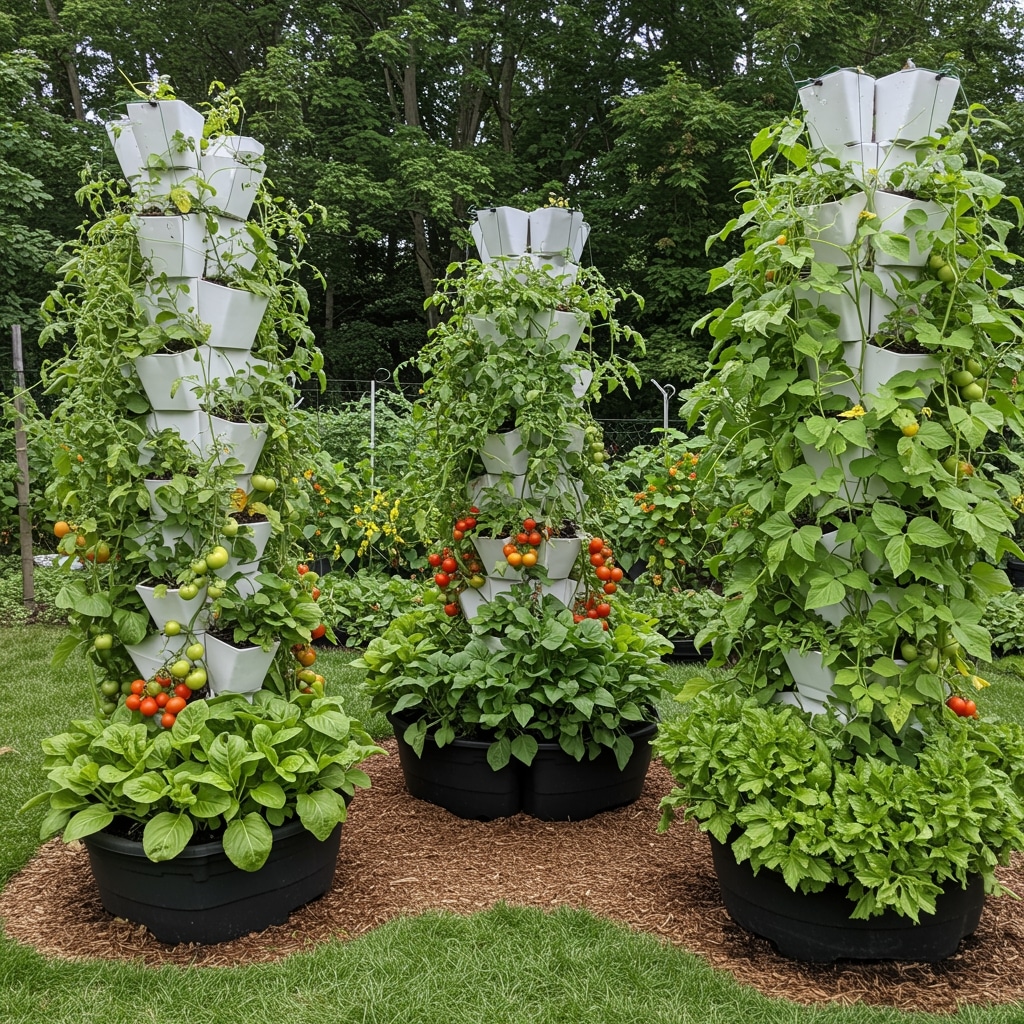
Vertical gardening has become one of the smartest ways to grow fresh produce in limited spaces. Instead of sprawling rows in a backyard, vegetables climb upward, making the most of walls, trellises, or stacked containers. For apartment dwellers, small homes, or urban gardeners, a vertical vegetable garden offers fresh harvests without needing large plots of land.
This approach is not only practical but also efficient. Vertical setups improve airflow, reduce soil-borne diseases, and keep plants within easy reach for harvesting. At the same time, there are unique challenges: choosing the right vegetables, providing consistent watering, and avoiding common mistakes like overcrowding or over-fertilizing.
In this guide, we’ll explore:
- The best vegetables for vertical gardens,
- Watering and care techniques for stacked systems,
- The key advantages and disadvantages of growing upwards,
- The mistakes to avoid for healthy crops,
- And what kind of yields you can realistically expect.
Just like we covered in our beginner’s guide to vertical gardening, growing vegetables vertically requires planning — but once set up, it’s one of the most rewarding ways to garden.
Best Vegetables to Grow in Vertical Gardens
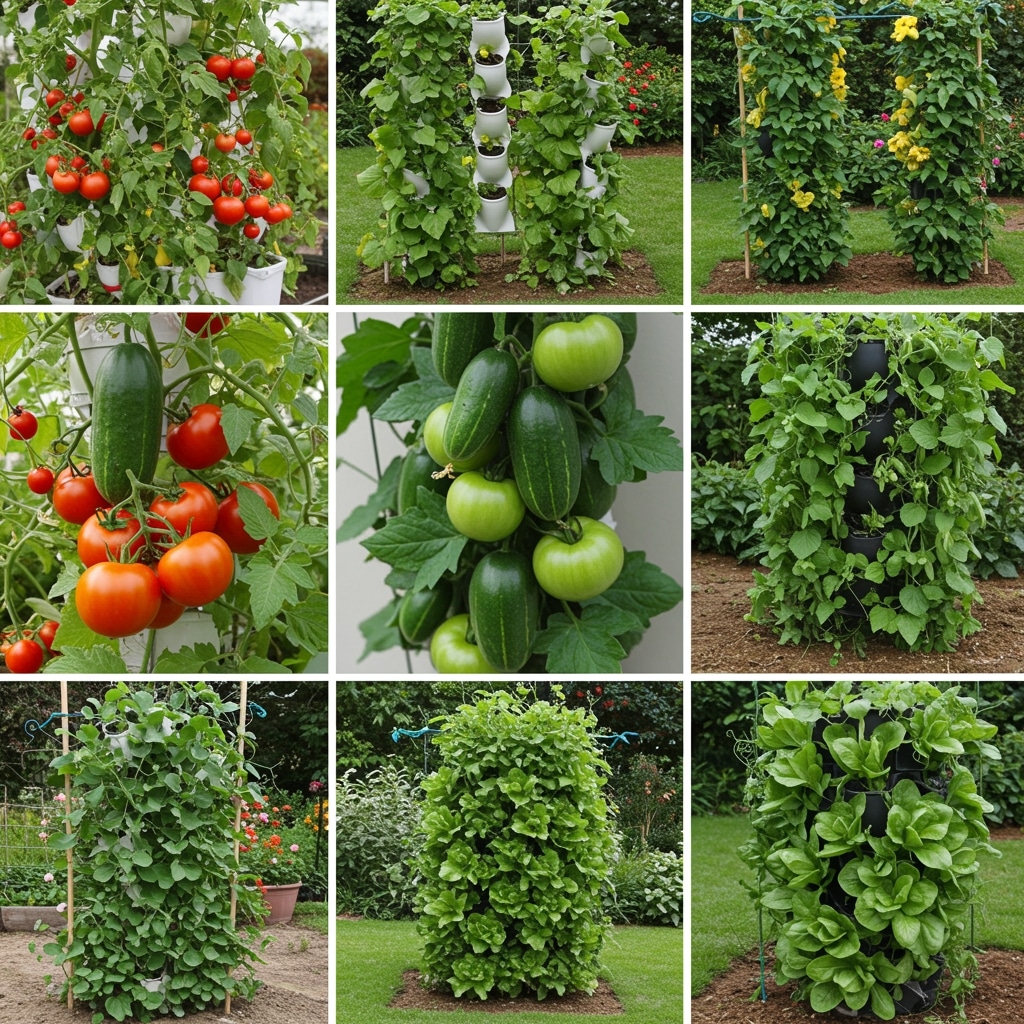
Not every vegetable thrives in a vertical setup. To maximize space and harvest, it’s important to choose crops that naturally climb, trail, or adapt well to container systems.
Climbing Vegetables
These plants naturally grow upward and are perfect for trellises, poles, or netting:
- Tomatoes – especially cherry and grape varieties.
- Cucumbers – compact or bush types perform best.
- Pole beans – fast growers that quickly cover trellises.
- Peas – both snow peas and sugar snap peas thrive vertically.
Leafy Greens
Fast-growing and shallow-rooted, leafy vegetables adapt well to stacked or wall planters:
- Lettuce – loose-leaf types work better than dense heads.
- Spinach – grows well in shallow containers.
- Kale – dwarf or baby kale varieties are ideal.
- Swiss chard – colorful and compact for small spaces.
Compact Fruiting Vegetables
- Peppers – small bell or chili peppers fit neatly in pockets or pots.
- Eggplants – dwarf varieties can be trained to grow upward with support.
- Zucchini – bush types with staking support.
Herbs for Mixed Planting
Adding herbs like basil, oregano, and parsley alongside vegetables helps save space and complements cooking needs. This mixed approach is similar to the techniques explained in kitchen vertical herb gardens.
Can You Grow Root Vegetables in Vertical Gardens?
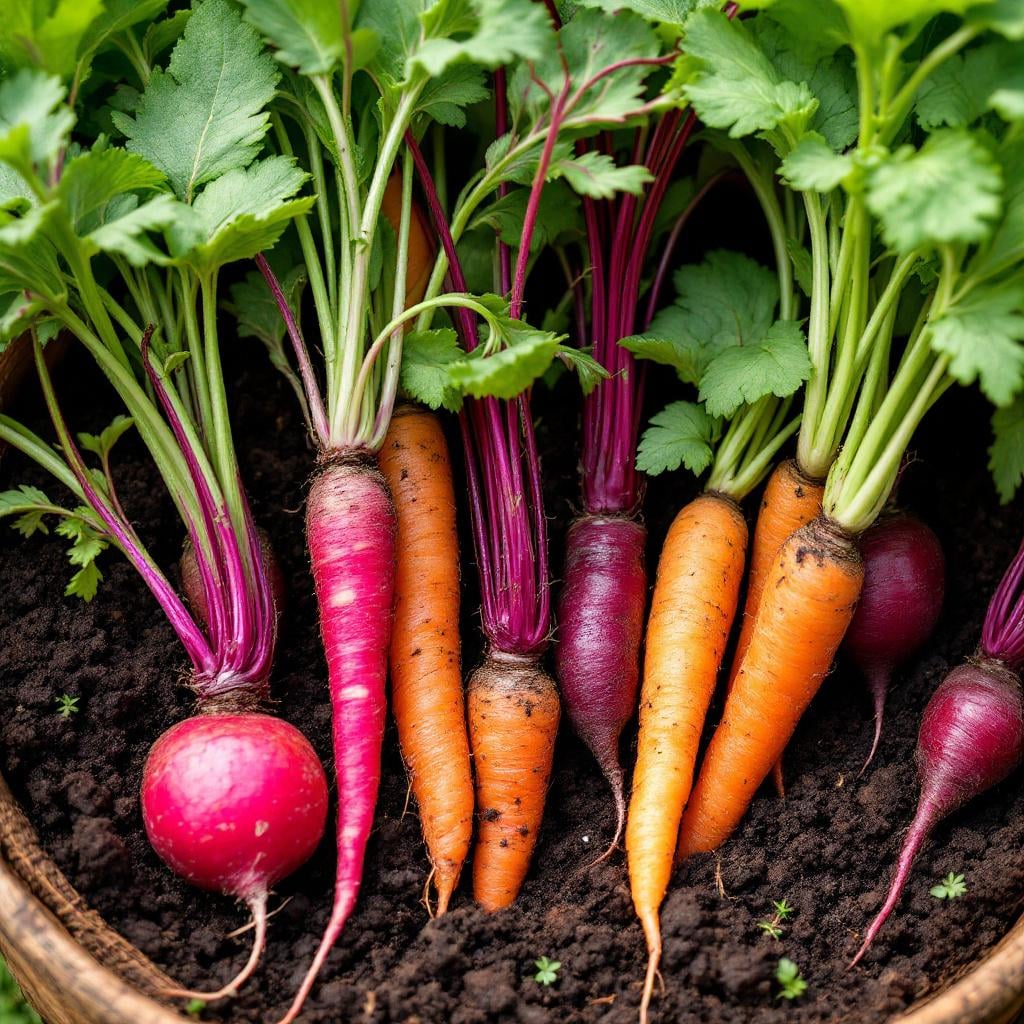
Root vegetables are more challenging in vertical gardens because they require depth rather than height. However, with the right container design, some varieties can still be successful.
Suitable Root Vegetables
- Radishes – grow quickly and require minimal soil depth (10–15 cm).
- Carrots (short varieties) – “Thumbelina” or “Parisian” carrots thrive in containers.
- Beets – compact beetroot types can do well in deeper vertical pockets.
- Green onions – shallow-rooted and ideal for stacked planters.
Challenges with Root Vegetables
- Soil Depth – many vertical garden pockets are too shallow for long roots.
- Drainage – overly compact soil can lead to misshapen roots.
- Harvesting – extracting root crops from vertical setups is trickier compared to leafy greens.
Best Practices
- Use deeper modular planters or large containers at the base of your vertical system.
- Choose short-rooted or dwarf cultivars.
- Keep soil loose, well-draining, and free of rocks or clumps.
For gardeners focused mainly on easy success, climbing crops and leafy greens usually give more reliable results, just as highlighted in beginner-friendly vertical gardening guides.
Watering and Care Techniques for Vertical Vegetable Gardens
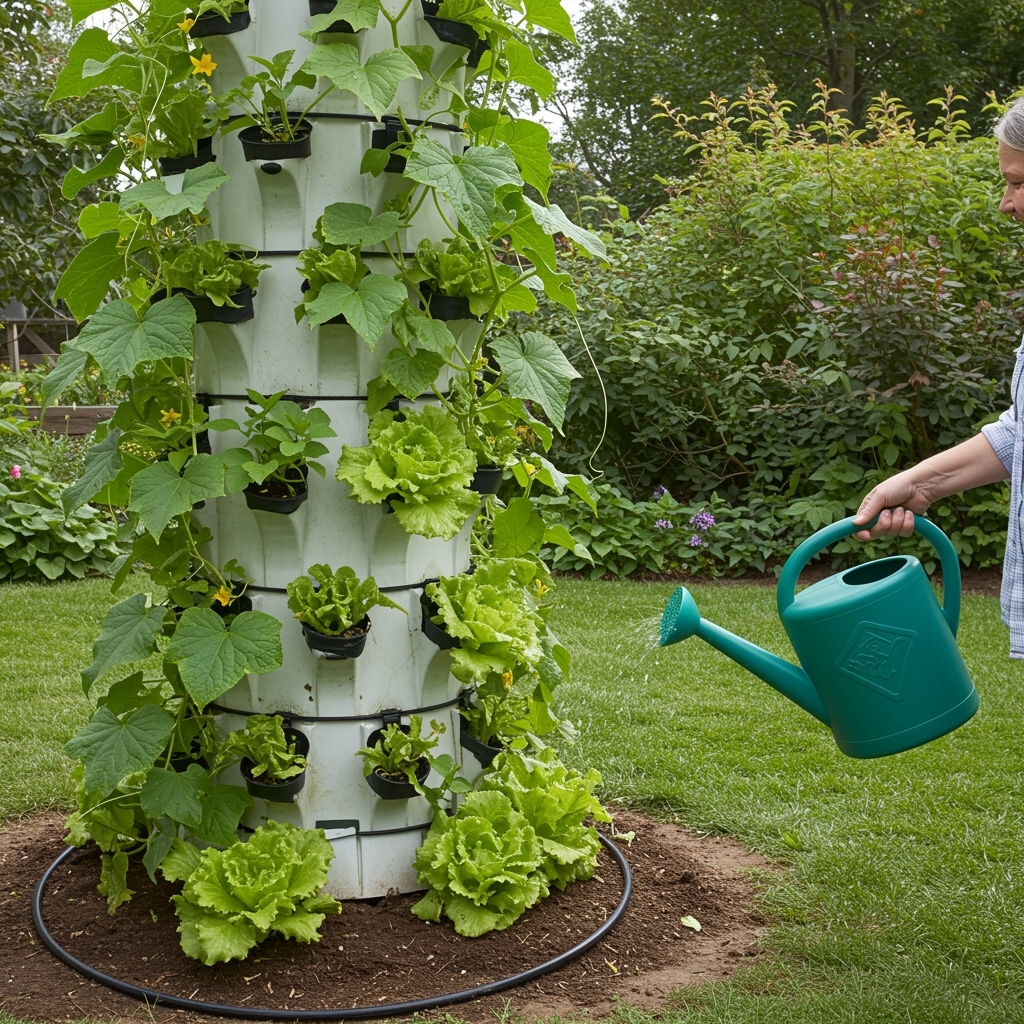
One of the biggest challenges in vertical vegetable gardening is maintaining consistent water and nutrients. Because containers and pockets hold less soil, they dry out faster than traditional garden beds.
Watering Methods
- Hand Watering – works for small setups; use a watering can with a narrow spout for precision.
- Drip Irrigation – the most efficient method, ensuring slow, steady moisture to each plant.
- Self-Watering Systems – some modular vertical gardens come with built-in reservoirs that reduce daily care.
Moisture Management
- Check soil moisture daily — the top 2–3 cm should stay slightly damp.
- Place water-loving vegetables like lettuce lower in the system, where water naturally collects.
- Use mulch or coconut coir to retain moisture.
Nutrient Needs
- Fertilize every 2–3 weeks with a balanced vegetable fertilizer.
- Liquid seaweed or compost tea works well in compact systems.
- Monitor for nutrient deficiencies — yellowing leaves often indicate nitrogen shortage.
Airflow and Sunlight
- Keep plants spaced to avoid overcrowding and fungal issues.
- Ensure 6–8 hours of sunlight daily or supplement with grow lights in shaded areas.
These watering strategies are similar to methods used in DIY hydroponic vertical gardens, where precise control of water and nutrients is critical for success.
Advantages of Vertical Vegetable Gardening
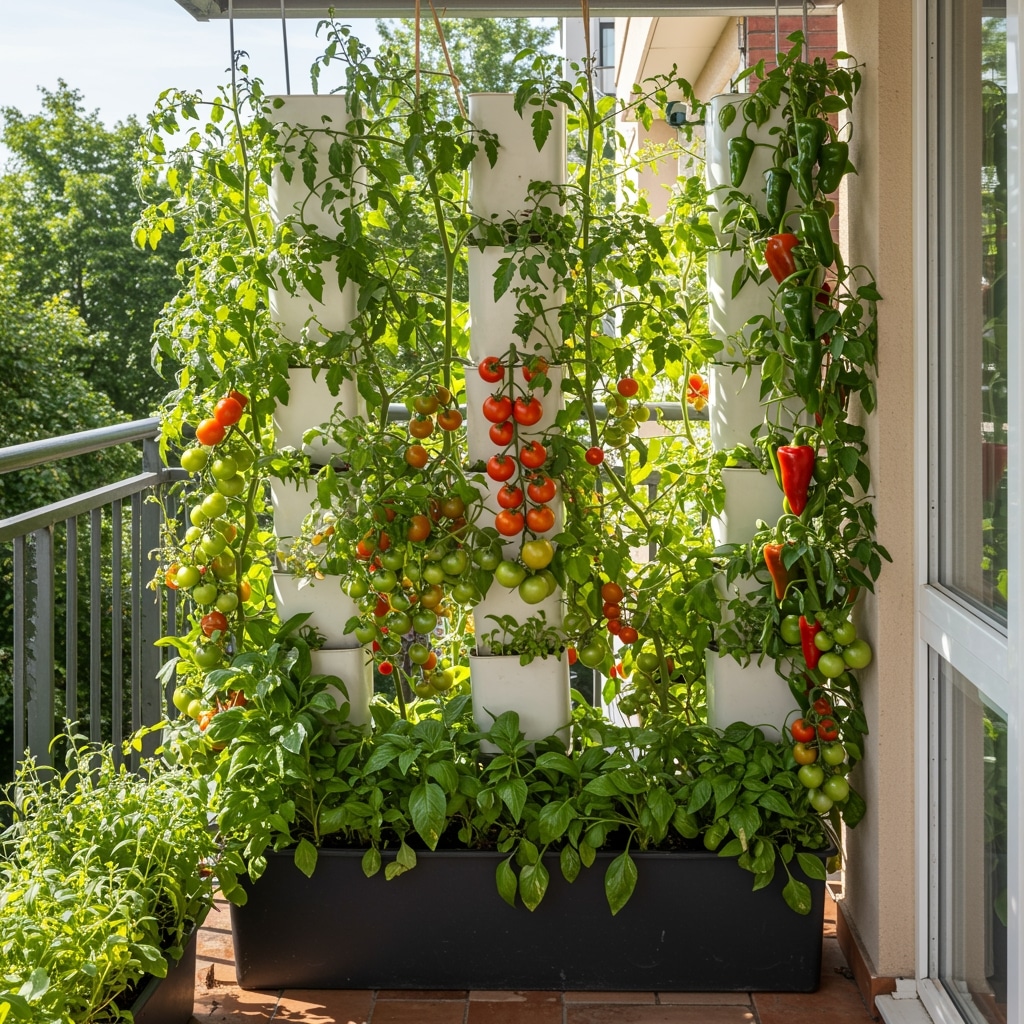
Growing vegetables vertically offers many benefits beyond saving space. When planned correctly, this method can improve yields, plant health, and the overall gardening experience.
Space Efficiency
- Ideal for balconies, patios, and small urban yards.
- Maximizes productivity by using vertical walls instead of ground area.
Healthier Plants
- Improved airflow reduces fungal diseases.
- Plants are less prone to pests like slugs that thrive in soil beds.
- Vegetables grow cleaner and are easier to harvest.
Easier Maintenance
- Reduced bending and kneeling makes gardening more accessible.
- Harvesting is quicker since vegetables are at eye level or within reach.
Aesthetic Value
- Vertical vegetable gardens double as a green wall, adding beauty to outdoor and indoor spaces.
- Mixing leafy greens, fruits, and herbs creates a lush, decorative effect.
Efficient Resource Use
- Controlled watering systems reduce water waste.
- Vertical layouts often require less fertilizer than traditional beds.
Many of these advantages overlap with other creative designs, such as living wall gardens, where function and beauty combine to make vertical gardening both practical and visually appealing.
Common Mistakes to Avoid in Vertical Vegetable Gardening
While vertical vegetable gardening is rewarding, beginners often face setbacks due to a few avoidable errors. Recognizing these in advance helps keep plants healthy and productive.
1. Overcrowding Plants
Planting too many vegetables too close restricts airflow and increases the risk of disease. Always follow spacing guidelines for each crop.
2. Ignoring Sunlight Needs
Vegetables like tomatoes, peppers, and cucumbers need 6–8 hours of direct light daily. Without enough sunlight or grow lights, plants grow weak and produce poorly.
3. Inconsistent Watering
Because vertical systems hold less soil, they dry out quickly. Forgetting to water regularly or overwatering can stress roots. Self-watering or drip systems reduce this risk.
4. Choosing the Wrong Vegetables
Heavy crops like pumpkins or sprawling varieties of squash are unsuitable. Stick to lightweight, compact, or climbing vegetables as explained earlier.
5. Poor Support Structures
Without strong trellises or ties, climbing vegetables collapse under their own weight. This mistake is especially common in pallet vertical gardens, where stability is essential.
6. Neglecting Soil Quality
Thin soil layers lose nutrients quickly. Refresh soil every season and add compost to keep vegetables thriving.
💡 Avoiding these mistakes ensures that your vertical garden is not only productive but also long-lasting.
Expected Yields and Realistic Harvests
One of the most common questions about vertical vegetable gardening is how much food you can actually produce. While yields depend on plant type, setup, and care, vertical systems can be surprisingly productive when well maintained.
High-Yield Vegetables
- Tomatoes (cherry varieties): 5–10 lbs per plant in a season.
- Pole beans: Continuous harvests throughout summer.
- Cucumbers (bush or mini types): 10–15 fruits per plant.
- Leafy greens (lettuce, spinach, kale): Multiple cuttings from the same plant over weeks.
Moderate Yields
- Peppers: 10–20 fruits depending on variety.
- Eggplants (dwarf types): 5–8 fruits per plant.
- Beets and carrots (short-rooted): 1 harvest per cycle, but still productive in compact systems.
Factors That Affect Yield
- Light exposure – more light equals stronger growth and better yields.
- Water and nutrients – consistent moisture and fertilization boost harvests.
- Support structures – keeping vines upright increases fruit production.
When compared with flat gardens, vertical systems can produce equal or greater yields per square foot, especially when layered plantings are combined. This principle is similar to stacking smaller herbs and vegetables together in small apartment gardens, where space optimization is the key to success.
FAQs About Growing Vegetables in Vertical Gardens
1. What vegetables grow best in a vertical garden?
Climbing and compact crops perform best, such as tomatoes, cucumbers, beans, peas, peppers, and leafy greens like lettuce and spinach. These vegetables adapt easily to trellises, stacked planters, or wall-mounted pockets.
2. Can you grow root vegetables in a vertical garden?
Yes, but only certain types. Short-rooted varieties like radishes, beets, and Parisian carrots can grow in deeper containers. For best results, use modular planters with enough soil depth, as discussed earlier in this guide.
3. How do you water a vertical vegetable garden?
Because vertical systems dry out quickly, consistent watering is essential. Drip irrigation or self-watering modules work best. For smaller setups, hand watering with a narrow-spout can works well.
4. What are the advantages of vertical vegetable gardening?
It saves space, improves airflow, reduces pests, and makes harvesting easier. Vertical setups also look beautiful, doubling as decorative green walls — much like in living wall projects.
5. What mistakes should you avoid in vertical gardening?
Common errors include overcrowding, irregular watering, ignoring light requirements, and using unsuitable plants like heavy squash. Weak support structures are another frequent issue.
6. How much yield can you expect from a vertical vegetable garden?
A well-managed vertical garden can produce impressive harvests: cherry tomatoes can yield up to 10 lbs per plant, cucumbers 10–15 fruits, and leafy greens multiple cuttings over weeks. Yields depend on light, water, soil, and plant selection.