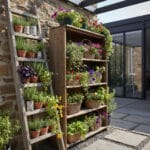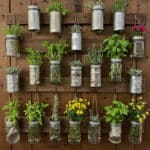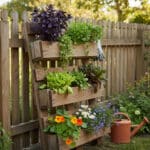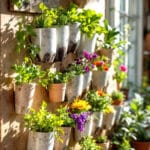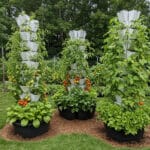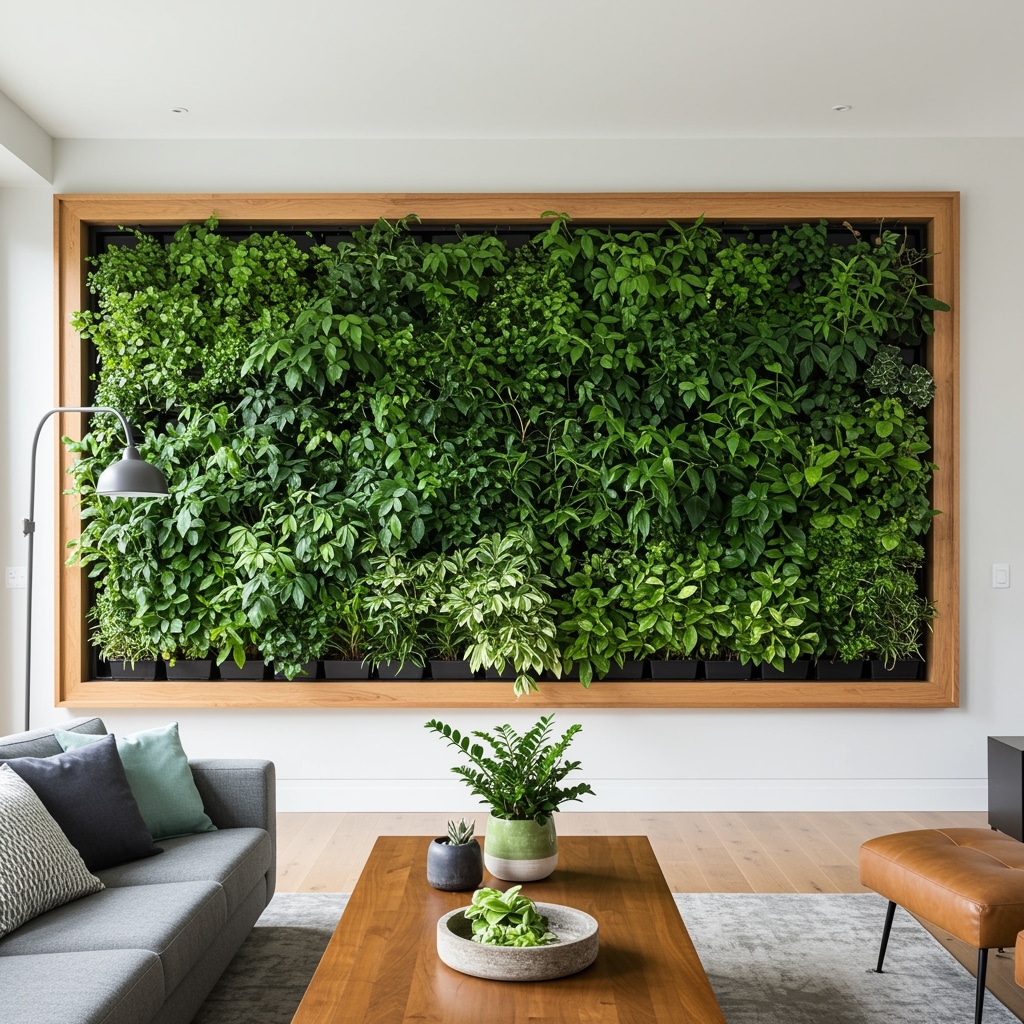
A living wall — sometimes called a green wall or vertical garden — transforms ordinary walls into lush, plant-filled landscapes. Beyond aesthetics, living walls improve air quality, reduce heat, and bring nature closer to urban homes.
These walls are more than just decorative; they are functional ecosystems. With the right design, they can host herbs, ferns, succulents, and even vegetables. Living walls can be installed indoors for natural décor or outdoors to bring unused facades to life.
In this article, you’ll discover:
- The different types of living walls and how they function
- Step-by-step instructions for building your own project
- Best plants for indoor vs. outdoor living walls
- Budget-friendly materials and DIY options
- Care and maintenance tips to keep your wall thriving
Just as with hydroponic vertical gardens, living walls rely on smart design and planning to maximize space and ensure healthy plant growth.
What is a Living Wall?
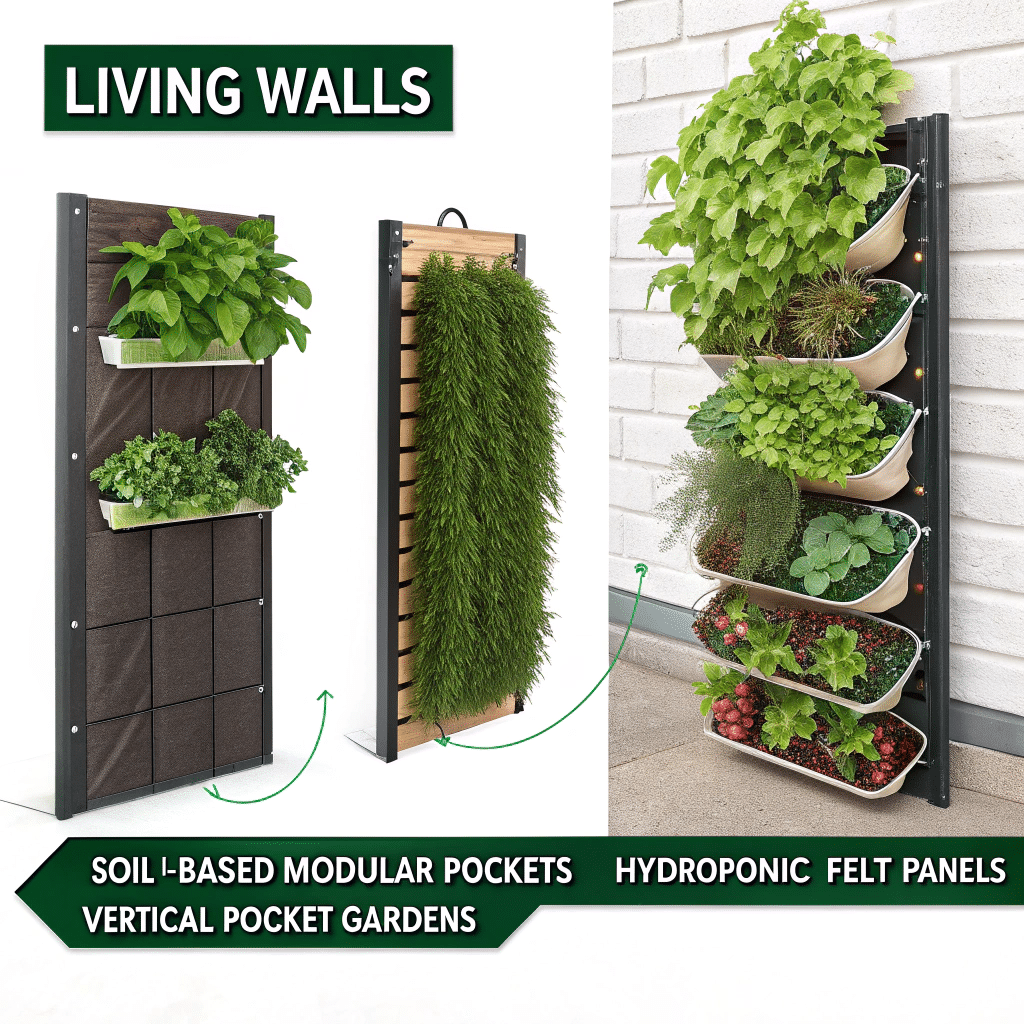
A living wall (also known as a green wall or vertical garden) is a structure where plants grow vertically on a wall surface, either indoors or outdoors. Unlike traditional potted plants, living walls integrate greenery directly into the architecture of a space.
How They Work
- Support Structure: A frame or panel holds plants in place.
- Growing Medium: Plants can grow in soil pockets, felt layers, or hydroponic modules.
- Irrigation System: Automated drip or hydroponic systems deliver water and nutrients evenly.
- Drainage System: Prevents waterlogging and recycles excess water.
Types of Living Walls
- Soil-Based Systems – Use modular containers filled with soil. Ideal for outdoor facades.
- Hydroponic Systems – Use felt, foam, or rockwool with nutrient-rich water (similar to DIY hydroponic vertical gardens).
- Pocket Gardens – Small indoor setups using fabric or wooden pockets for herbs and decorative plants.
Benefits of Living Walls
- Improve indoor air quality by filtering toxins.
- Reduce urban heat and insulate buildings.
- Enhance property value and aesthetics.
- Bring biodiversity into city spaces.
Living walls are more than decorative projects; they represent a sustainable way to integrate nature into everyday life.
Materials and Tools Needed for Living Wall Projects
Creating a living wall doesn’t require overly complex equipment, but choosing the right materials ensures durability and plant health.
Basic Materials
- Support Frame or Panel – Wooden frames, metal grids, or prefabricated living wall panels.
- Plant Containers/Pockets – Fabric pockets, modular pots, or hydroponic trays.
- Growing Medium – Soil mix, coconut coir, rockwool, or hydroponic felt.
- Plants – Depending on your design: herbs, ferns, succulents, flowers, or edible greens.
- Irrigation System – Drip lines, spray misters, or hydroponic recirculating pumps.
- Reservoir (for hydroponics) – Stores water and nutrients for circulation.
Tools
- Drill and screws (for wall mounting).
- Measuring tape and level (to align panels).
- Garden scissors/pruners (for trimming).
- Watering can (for manual irrigation if not automated).
Optional Add-ons
- Grow Lights – For indoor walls with limited sunlight.
- Fertilizer Injector – Automates nutrient mixing in hydroponic systems.
- Moisture Sensors – Help monitor watering needs.
For budget-conscious projects, many materials can be repurposed. For instance, pallets can serve as frames, similar to methods used in DIY pallet vertical gardens.
Step-by-Step Guide to Building a Living Wall
Building a living wall can be approached in stages, from wall preparation to planting. Here’s a step-by-step guide for a DIY setup.
Step 1: Choose the Wall Location
- Indoors: Select a bright wall near a window or install grow lights.
- Outdoors: Pick a wall with at least 4–6 hours of sunlight.
Step 2: Install the Support Frame
- Fix a wooden or metal frame to the wall.
- Ensure a gap (about 2–4 cm) between the wall and the frame for ventilation.
Step 3: Attach Containers or Pockets
- Use fabric pockets, modular pots, or hydroponic trays.
- Arrange them in rows or patterns depending on your design.
Step 4: Prepare the Irrigation System
- Connect drip lines or misting nozzles to cover all plant rows.
- For hydroponics, connect a pump and reservoir for nutrient circulation.
Step 5: Add Growing Medium and Plants
- Fill containers with soil or hydroponic medium.
- Insert chosen plants (herbs, ferns, succulents, or flowers).
- Place smaller, delicate plants at the top and heavier plants at the bottom.
Step 6: Test the System
- Run water through the irrigation to ensure even distribution.
- Check for leaks or excess runoff.
This approach is similar to other vertical projects, such as small apartment gardens, but scaled to create a full wall of greenery.
Best Plants for Living Walls (Indoor & Outdoor)
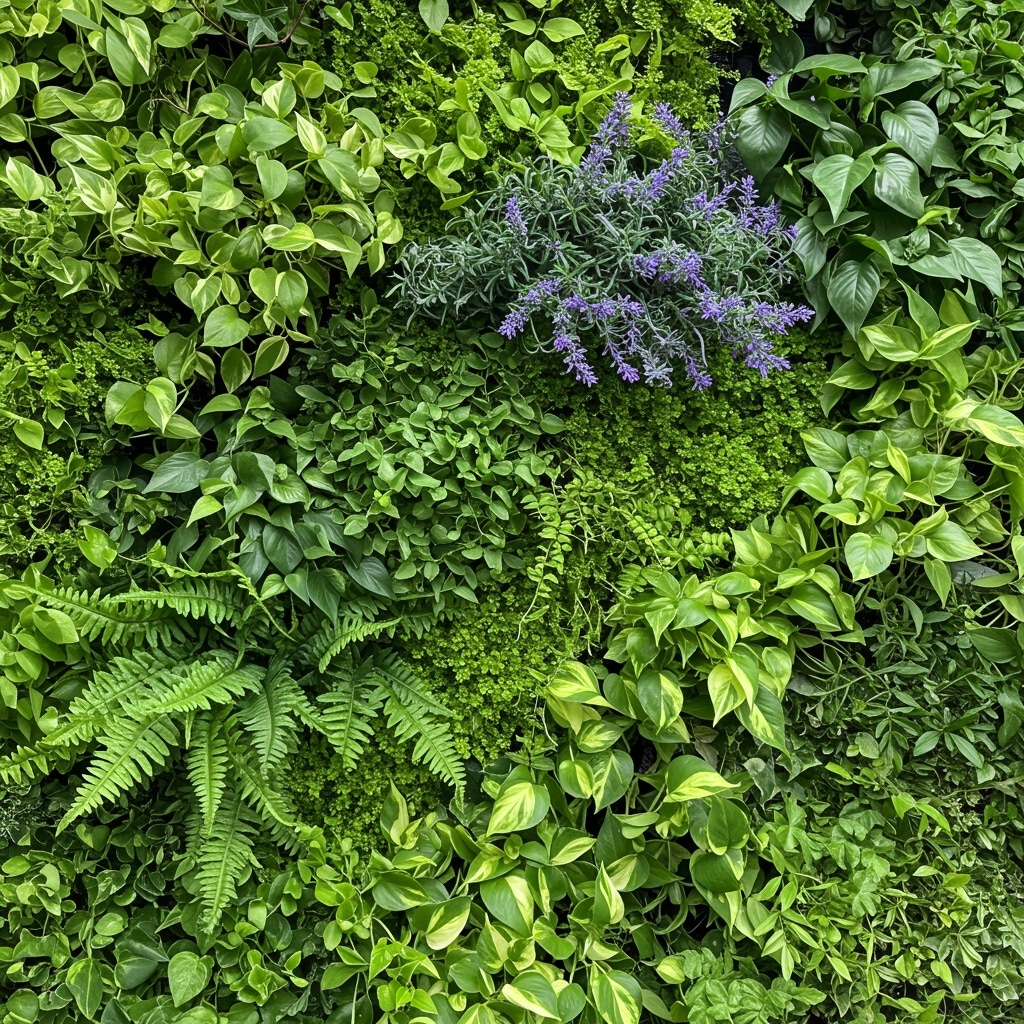
The success of a living wall depends heavily on choosing the right plants for the location and growing system.
🌱 Best Plants for Indoor Living Walls
- Pothos (Epipremnum aureum): Hardy, fast-growing vine with air-purifying qualities.
- Ferns (Boston, Maidenhair): Thrive in humid indoor environments.
- Peace Lily: Adds lush greenery and blooms indoors.
- Spider Plant: Low maintenance, grows well in pockets.
- Herbs (Basil, Mint, Parsley): Great for kitchen living walls.
🌿 Best Plants for Outdoor Living Walls
- Succulents (Sedum, Echeveria): Ideal for dry, sunny walls.
- Lavender: Adds fragrance and color.
- Ivy: Hardy climber for covering large spaces.
- Begonias & Geraniums: Provide vibrant flowers for decorative walls.
- Vegetables (Lettuce, Spinach, Strawberries): Edible walls for practical gardening.
🌸 Tips for Plant Selection
- Choose lightweight plants to avoid stressing the structure.
- Mix textures and colors for visual interest.
- Group plants with similar water and light needs.
Some plants used here overlap with those in DIY succulent walls, but living walls allow for greater diversity, blending ornamentals, herbs, and edibles.
Maintenance and Care for Living Walls
A living wall requires consistent care to remain healthy and visually appealing. Proper maintenance ensures plants thrive and the system lasts for years.
Watering & Irrigation
- Automated Systems: If using drip irrigation or hydroponics, check pumps and tubing regularly.
- Manual Systems: Water plants consistently, ensuring even coverage.
Fertilization
- For soil systems, add liquid fertilizer every 2–4 weeks.
- Hydroponic setups need nutrient solution monitoring to maintain correct pH and EC levels.
Pruning & Replacement
- Trim overgrown plants to maintain balance and design.
- Replace dead or weak plants quickly to prevent gaps.
Lighting & Environment
- Indoor walls may require grow lights if natural light is insufficient.
- Maintain humidity for tropical plants like ferns and peace lilies.
Pest & Disease Control
- Regularly inspect leaves for signs of pests (aphids, mites).
- Use organic insecticidal sprays when necessary.
- Avoid overwatering, which can cause root rot.
Just like with kitchen herb gardens, the key is consistent monitoring and quick adjustments.
Cost of Building a Living Wall
The cost of a living wall varies depending on size, design, and whether you build it yourself or purchase a ready-made system.
DIY Living Wall (Budget-Friendly)
- Wooden frame or recycled pallet: $20–$60
- Fabric pockets or small pots: $20–$50
- Soil or growing medium: $15–$30
- Plants (herbs, ferns, succulents): $30–$100
- Optional drip irrigation kit: $40–$80
💰 Total DIY Cost: $100–$300
Mid-Range Living Wall
- Modular wall panels: $150–$400
- Irrigation system with timer: $100–$200
- Variety of plants for coverage: $150–$300
💰 Total Cost: $400–$900
Premium Living Wall (Automated)
- Pre-built hydroponic green wall system: $800–$2,500+
- Includes irrigation, sensors, and grow lights for indoor use.
Factors Affecting Price
- Indoor vs. outdoor: Indoor systems may need lighting.
- Plant type: Edible plants or ornamentals affect long-term maintenance cost.
- Size: Larger walls require stronger frames and more plants.
Similar to hydroponic vertical gardens, upfront costs can be significant, but long-term benefits include energy savings, fresher air, and improved home value.
FAQs About Living Walls
1. What is a living wall?
A living wall, also called a green wall or vertical garden, is a structure where plants grow vertically on panels or frames attached to a wall, indoors or outdoors.
2. How do you make a living wall at home?
Choose a suitable wall, mount a support frame, attach containers or fabric pockets, set up irrigation, and plant species suited for the location. Many DIY projects use recycled pallets or modular systems.
3. What plants are best for a living wall?
Indoors: pothos, ferns, peace lilies, and herbs. Outdoors: succulents, ivy, lavender, and flowering plants like begonias. Plant choice depends on light and climate.
4. How much does a living wall cost?
DIY living walls can cost $100–$300, while mid-range modular systems run between $400–$900. Premium automated setups can exceed $2,000.
5. What are the benefits of a living wall?
They improve air quality, reduce heat, provide insulation, enhance aesthetics, and bring nature into urban spaces.
6. What is the difference between a living wall and a vertical garden?
A living wall is a larger, integrated vertical system often covering entire walls, while a vertical garden can be smaller (like a pallet or balcony setup). Both share the same principle of growing plants vertically.