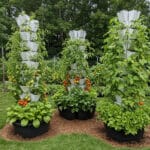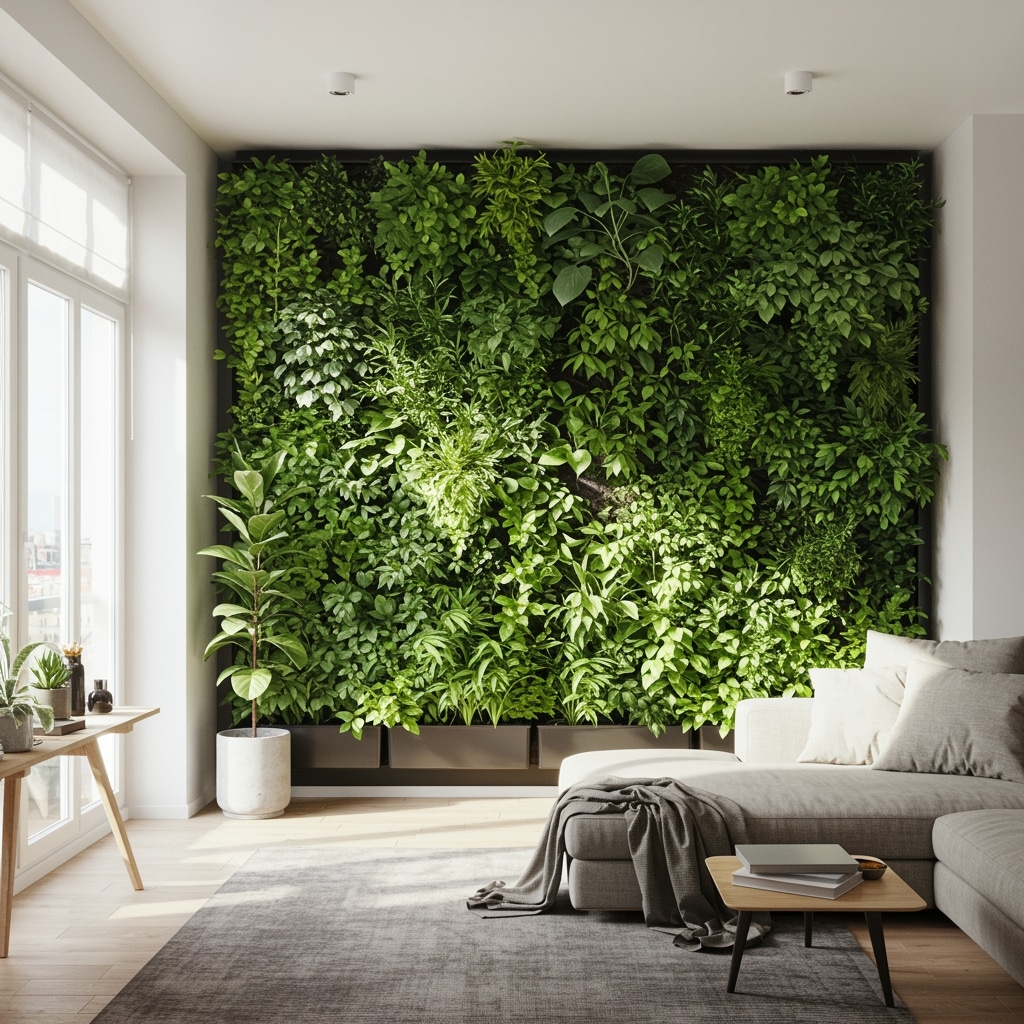
Living in a small apartment often means sacrificing outdoor space — no backyard, no patio, and sometimes not even a balcony. For plant lovers, this can feel limiting. But vertical gardening changes the game. By growing upward instead of outward, you can transform blank walls, corners, and even tiny balconies into lush, green sanctuaries.
🌱 The Challenge of Limited Space
Urban apartments are designed for efficiency, not greenery. With minimal square footage, every inch matters, making traditional potted gardens difficult to manage. A clutter of pots on the floor can overwhelm your space and make it harder to maintain.
🌿 How Vertical Gardening Solves Urban Living Problems
Vertical gardens maximize unused vertical surfaces such as walls, shelves, and railings. Instead of spreading plants across precious floor space, they climb upward, creating a compact and visually stunning garden. Beyond aesthetics, vertical gardens in apartments improve air quality, reduce stress, and bring nature indoors, making small homes feel more open and refreshing.
This same principle is why many people experiment with living wall projects, where vertical structures turn plain walls into thriving ecosystems. In apartments, these gardens are scaled down — but just as transformative.
Choosing the Right Spot for Your Apartment Vertical Garden
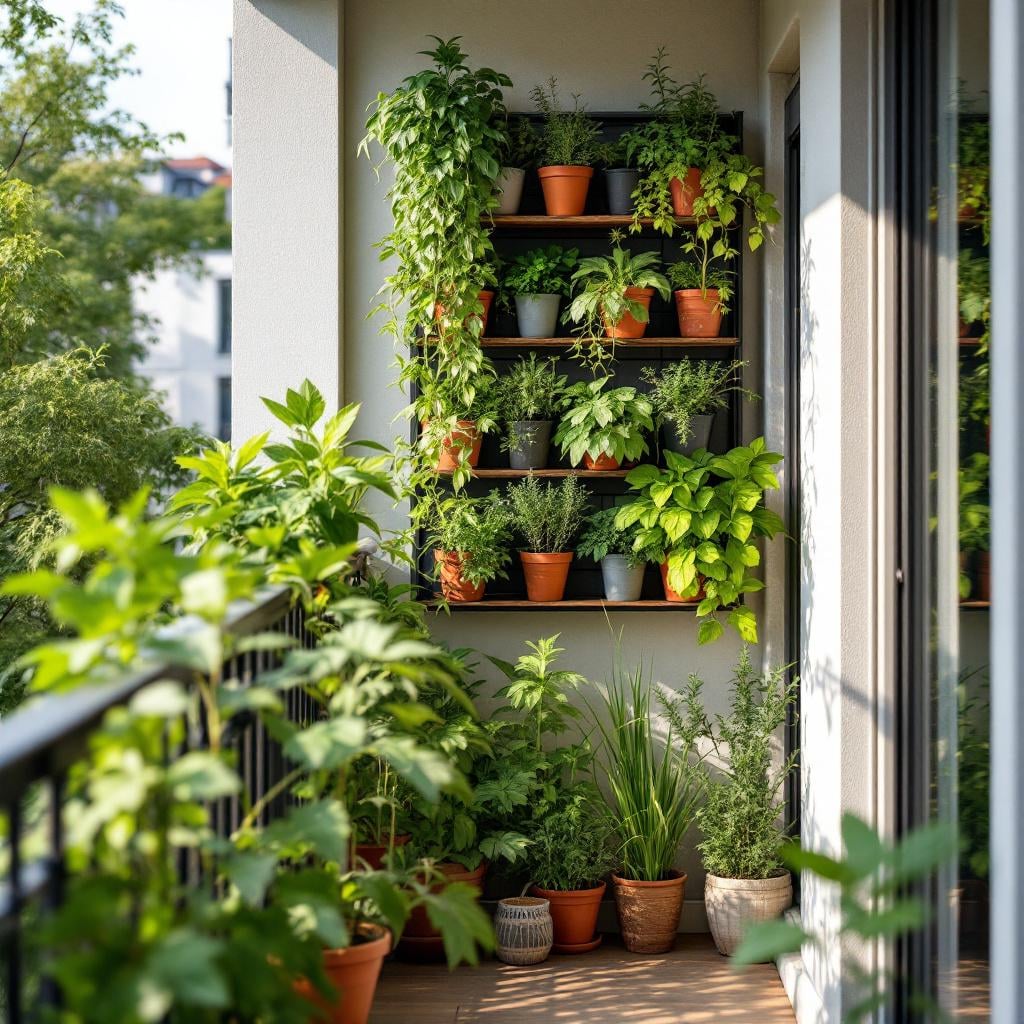
Finding the perfect location is the most important first step. Since apartments often have limited natural light and space, you’ll need to balance practicality and plant health.
🌞 Indoor vs. Outdoor Balcony Setups
- Balcony gardens: If you’re lucky enough to have a balcony, this is the best place for a vertical garden. Balconies usually get natural sunlight, fresh air, and good ventilation, which helps plants thrive.
- Indoor setups: For apartments without balconies, you can still build a vertical garden indoors. Walls near windows, kitchen backsplashes, or even hallways with bright artificial grow lights can become mini jungles.
💡 Light, Ventilation, and Accessibility Considerations
- Light: Most plants need at least 4–6 hours of indirect or filtered light. Choose a south-facing or east-facing wall if possible.
- Ventilation: Stagnant air indoors can lead to mold and pests. Keep your garden in a spot with some air circulation.
- Accessibility: Make sure you can easily water, prune, and clean your plants. A wall too high or tucked behind furniture will be difficult to maintain.
This is why many apartment gardeners combine wall-mounted racks with hanging planters, striking a balance between sunlight exposure and accessibility.
Budget-Friendly DIY Structures for Small Spaces
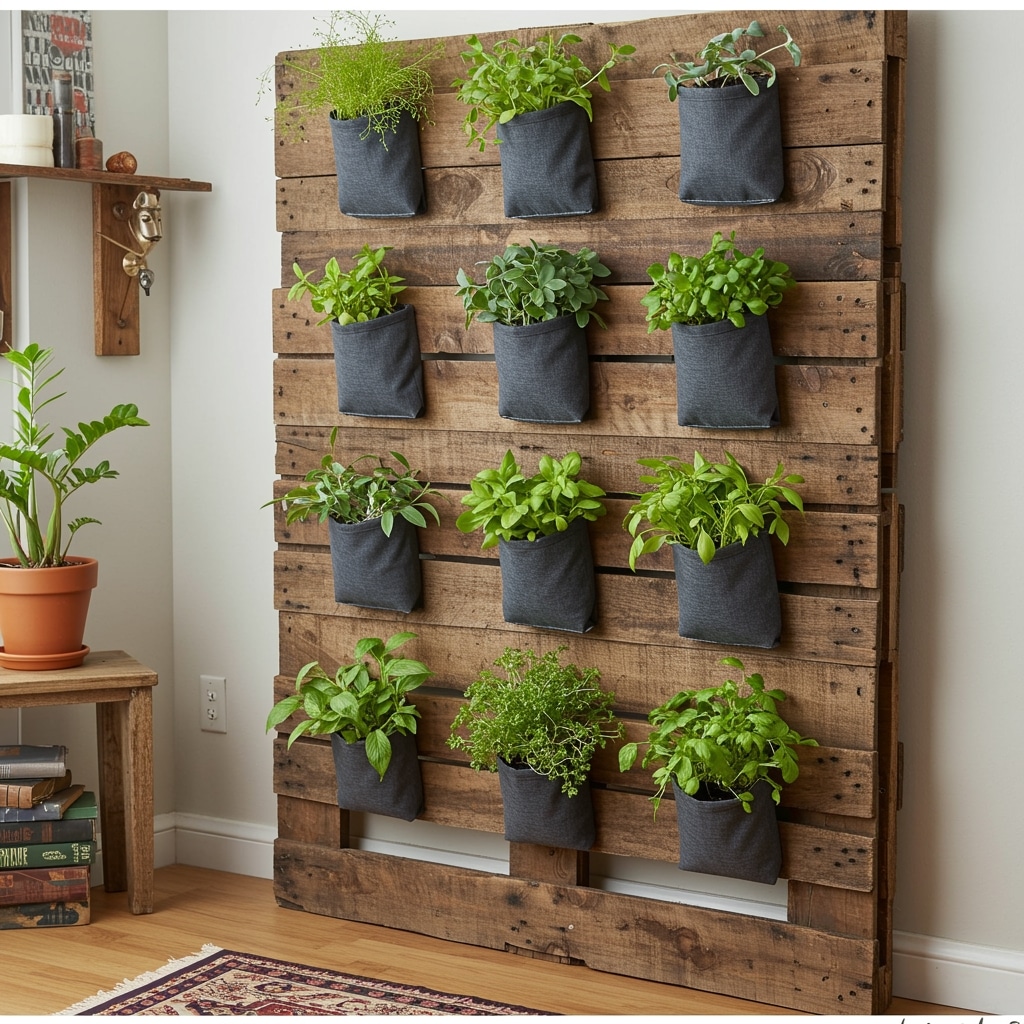
Creating a vertical garden for your apartment doesn’t have to be expensive. With a little creativity, you can build beautiful, functional structures using affordable materials — even things you already have at home.
🪴 Wall-Mounted Shelves and Racks
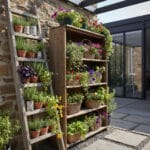
Installing simple wooden or metal shelves allows you to line up potted plants vertically without taking up floor space. Tiered racks are especially effective in kitchens, where you can grow fresh herbs like basil and parsley within arm’s reach of your cooking area.
🌸 Hanging Planters and Pocket Gardens
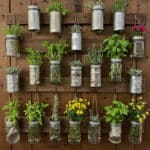
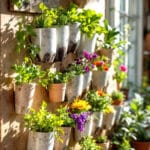
Fabric pocket planters, often made from recycled felt, can be hung like artwork on a wall. Each pocket holds soil and a plant, making them lightweight and easy to move. Hanging mason jars, macrame planters, or even old shoe organizers can also serve as inexpensive vertical solutions.
🔄 Repurposed Furniture and Recycled Materials
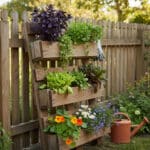
Old ladders, bookshelves, or wooden pallets can be repurposed into vertical plant displays. With a few adjustments, a pallet becomes a rustic yet stylish structure for growing greenery. This technique is commonly used in pallet vertical gardens, which are budget-friendly and beginner-friendly.
Best Plants for Apartment Vertical Gardens
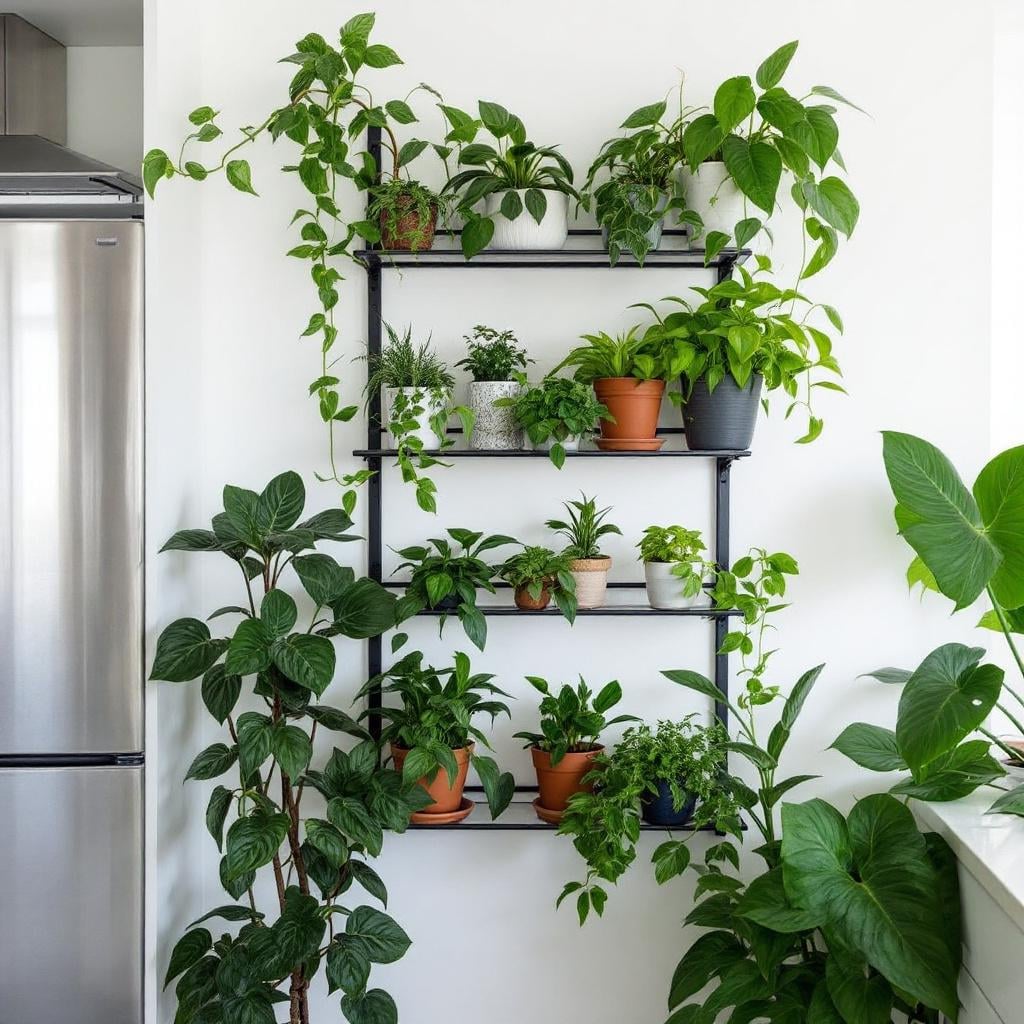
Not every plant thrives in a vertical setup, especially in the limited light and airflow of apartments. Choosing the right species is key to ensuring your garden stays healthy and low-maintenance.
🌿 Easy-Care Houseplants
- Pothos (Devil’s Ivy): Extremely resilient, thrives in low light, and grows beautifully as a trailing plant.
- Ferns: Ideal for adding lush greenery in shaded areas.
- Philodendron: Adaptable to various light conditions and perfect for vertical trellises.
🌱 Edible Herbs
A vertical garden in your apartment is a chance to combine beauty with practicality. Fresh herbs grow quickly in small pockets or containers:
- Basil
- Parsley
- Mint
- Thyme
They don’t just save you trips to the store — they also add fragrance and flavor to your home.
🍃 Air-Purifying Plants
For cleaner indoor air, try incorporating plants that naturally filter toxins:
- Snake Plant (Sansevieria)
- Peace Lily
- Spider Plant
These are especially good for indoor walls where ventilation might be limited, helping to create a fresher, healthier living space.
Just as with succulent walls, mixing plant types creates a striking contrast of textures and colors, making your vertical garden not only functional but also visually appealing.
Step-by-Step Guide to Building Your Apartment Vertical Garden
Now that you’ve chosen your spot, materials, and plants, it’s time to put everything together. Here’s a simple method to build a vertical garden in your apartment.
🔨 Step 1: Prepare Your Structure
Select your chosen framework (shelves, pallet, hanging pockets, or racks). Make sure it’s sturdy and can safely hold the weight of soil, water, and plants. If using a wall-mounted setup, secure it with proper anchors.
🪴 Step 2: Choose Containers and Soil
- Use lightweight pots or fabric pockets to reduce wall strain.
- Opt for well-draining soil, such as a mix of potting soil and perlite, to avoid root rot.
- For edible gardens, use soil mixes safe for herbs and vegetables.
🌱 Step 3: Plant and Arrange
- Place taller plants on the bottom and trailing or cascading plants toward the top for balance.
- Group plants with similar light and water needs together.
- Add edible herbs in accessible spots, such as the middle row, so you can harvest easily.
💧 Step 4: Water and Let It Settle
Water lightly after planting to help the soil settle. For pocket gardens or pallets, keep them lying flat for a week or two to let plants root securely before hanging them vertically.
This method works much like creating a budget-friendly vertical garden, but scaled to fit the compact lifestyle of apartment living.
Indoor Care Tips for Apartment Vertical Gardens
A vertical garden in a small apartment requires consistent but simple maintenance. With the right routine, your plants will stay lush and thriving without overwhelming your schedule.
💧 Watering Routines for Small Spaces
- Vertical gardens tend to dry out faster because gravity pulls water downward.
- Use a spray bottle or drip irrigation system for even watering.
- Always check the top and bottom rows — the top may dry faster, while the bottom may stay wetter.
🌬 Managing Humidity and Airflow
- Indoor plants benefit from a balance of humidity and airflow.
- Use a small fan near your garden to prevent mold and mildew.
- In drier climates, misting the leaves occasionally can help.
🌿 Fertilizer and Pruning Basics
- Apply a diluted liquid fertilizer every 4–6 weeks to keep growth steady.
- Prune trailing plants to avoid overcrowding and to maintain a clean look.
- Remove yellowing leaves quickly to prevent pest problems.
These care strategies are similar to maintaining a hydroponic vertical garden, except apartment setups rely more on soil and airflow than water circulation.
Cost Breakdown of a Small Apartment Vertical Garden
One of the best parts of creating a vertical garden for an apartment is that it can fit almost any budget. Costs will depend on the materials you choose, whether you DIY or buy ready-made systems, and the types of plants you grow.
💲 Low-Cost DIY Options
- Repurposed materials: Old ladders, wooden pallets, or bookshelves can be transformed for free or for just a few dollars.
- Fabric pocket planters: Usually cost between $15–$30, depending on size.
- Basic soil and herbs: Around $20–$40 to get started.
🏗 Ready-Made Kits and Frames
If you prefer a quicker solution, small vertical garden kits are widely available online and in garden stores:
- Wall-mounted frames with pots: $50–$150.
- Freestanding vertical planters: $100–$250.
- Hydroponic tower kits: $200–$500 for advanced systems.
🔧 Long-Term Maintenance Costs
- Fertilizer: $10–$20 every few months.
- Occasional replacement of plants or soil: $20–$50 per year.
- Optional grow lights: $50–$100 for apartments with limited sunlight.
Overall, you can start a small DIY vertical garden for under $100, while more advanced ready-made systems might cost several hundred dollars. Compared to traditional gardening, vertical gardens are still cost-efficient because they require fewer plants, less soil, and smaller amounts of water.
Common Mistakes to Avoid in Apartment Vertical Gardening
Even in small apartments, vertical gardens are easy to maintain — but beginners often make mistakes that can limit plant growth or damage their setup. Here are the most common issues and how to avoid them:
🚫 Overwatering or Underwatering
Because vertical gardens drain quickly, some plants may dry out while others stay soggy. Overwatering leads to root rot, while underwatering stresses plants. The solution is to check soil moisture row by row and use a drip system or consistent watering schedule.
🚫 Using the Wrong Plants
Not all plants adapt well to limited light or vertical arrangements. Avoid species that need deep root systems or heavy soil. Instead, stick to compact, shallow-rooted plants like herbs, succulents, or trailing houseplants.
🚫 Ignoring Light Needs
Placing a vertical garden on a dimly lit wall is one of the most common errors. If natural light is limited, invest in LED grow lights to mimic daylight.
🚫 Overcrowding the Structure
Packing too many plants too close together creates humidity pockets that encourage pests and mold. Leave enough space for air circulation and future growth.
Many of these mistakes are similar to those made when growing vegetables in vertical gardens, where spacing, watering, and light all directly impact productivity.
Final Thoughts + Benefits of Vertical Gardens in Apartments
Vertical gardens are more than just a trendy design element — they’re a practical way to bring nature into compact living spaces. For apartment dwellers, they offer a chance to enjoy greenery, grow fresh herbs, and improve air quality without sacrificing valuable floor space.
🌿 Key Benefits Recap
- Maximize space: Ideal for small apartments where every inch counts.
- Healthier living: Plants naturally purify air and reduce stress.
- Low-cost option: With DIY methods, you can start a vertical garden for under $100.
- Customizable design: From rustic pallets to modern hydroponic towers, there’s a style for every home.
🌱 Why Vertical Gardening Is the Future of Urban Living
As cities grow denser and apartments get smaller, vertical gardening will continue to rise in popularity. It’s sustainable, space-saving, and deeply rewarding. Whether you’re a beginner or an experienced gardener, there’s a vertical solution that fits your lifestyle.
Much like beginner’s guides to vertical gardening, starting small in your apartment sets the foundation for larger, more creative projects in the future.
Bringing greenery indoors isn’t just about plants — it’s about creating a calmer, healthier home in the middle of the city. 🌿
FAQs About Vertical Gardens in Small Apartments
Can you have a vertical garden in an apartment?
Yes, vertical gardens are perfect for apartments because they maximize limited space. You can install them on walls, balconies, or freestanding racks, depending on your available area.
What are the best plants for a vertical garden indoors?
Compact and shallow-rooted plants like herbs (basil, parsley, mint), succulents, pothos, and ferns are ideal. They adapt well to vertical structures and require minimal maintenance.
How do you maintain a vertical garden in a small apartment?
Maintenance includes regular watering (often with a spray bottle or drip system), pruning to avoid overcrowding, and ensuring proper light with either natural sunlight or LED grow lights.
Do vertical gardens need a lot of sunlight?
Most plants require at least 4–6 hours of light daily. If your apartment doesn’t get enough natural sunlight, grow lights can provide the necessary boost for healthy growth.
How much does it cost to create a vertical garden in an apartment?
A DIY vertical garden can cost under $100 if you repurpose materials, while pre-made kits or hydroponic towers can range from $150 to $500. The cost depends on size, materials, and design.
What are the disadvantages of having a vertical garden indoors?
The main disadvantages include faster soil drying, the need for frequent watering, and limited plant choices compared to outdoor gardens. However, with the right setup, these issues are easy to manage.