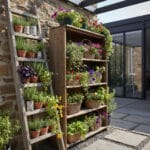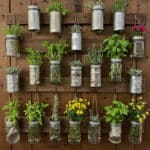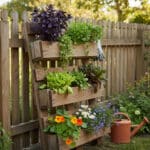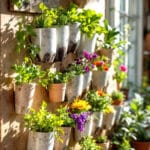
Introduction to Vertical Gardening
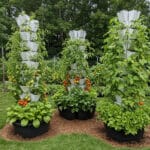
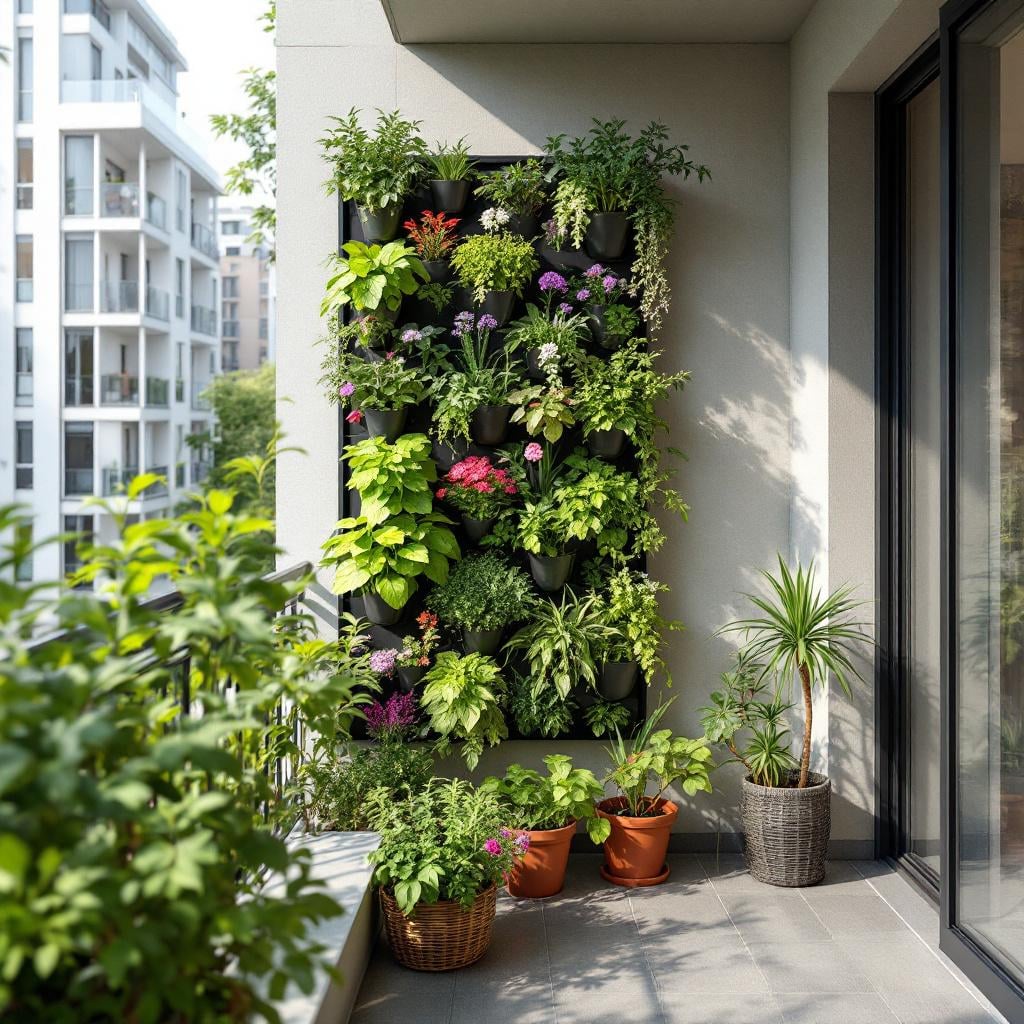
Vertical gardening has transformed the way people think about growing plants, especially in urban areas where outdoor space is limited. Instead of relying solely on horizontal ground beds, this innovative approach allows you to grow plants upward — on walls, fences, trellises, or specially designed frames. Whether you’re working with a small balcony, a sunny kitchen wall, or a compact backyard, vertical gardening helps you maximize your space, improve air quality, and create a stunning green focal point.
What is Vertical Gardening and Why It’s Trending
Vertical gardening is the practice of growing plants in stacked layers or on vertically suspended panels, instead of spreading them out horizontally in a traditional garden bed. It’s not just a trend for design lovers — it’s also a practical solution for urban living, environmental benefits, and higher yields in less space.
Some of the most popular forms include living walls, trellis gardens, pallet gardens, and hydroponic vertical systems.
This growing method is becoming increasingly popular because:
- It makes the most of limited space.
- It helps reduce urban heat by cooling walls.
- It turns dull walls or fences into lush, living décor.
- It allows easy harvesting and maintenance without bending over.
Benefits for Urban and Small Spaces
For city dwellers, outdoor space is often a luxury. Vertical gardening offers the ability to:
- Grow more with less — use every inch of vertical space.
- Improve privacy — tall plants and living walls can act as natural screens.
- Enhance air quality — plants filter pollutants and add oxygen.
- Bring nature indoors — perfect for apartments and offices.
If you live in an apartment, a simple wall-mounted planter or a tiered shelving system near a sunny window can transform your living area into a thriving green oasis.
How Vertical Gardens Differ from Traditional Gardens
The main difference lies in the orientation and plant arrangement. In traditional gardens, plants grow outward in rows, requiring more soil, more space, and often more water. Vertical gardens, on the other hand:
- Use gravity-fed watering systems for efficiency.
- Require careful plant selection to ensure stability and growth.
- Often incorporate lightweight soil mixes and modular frames for easy assembly.
By rethinking the direction in which plants grow, vertical gardening combines functionality, beauty, and sustainability — making it an ideal choice for beginners and seasoned gardeners alike.
How to Build a Vertical Garden Step-by-Step
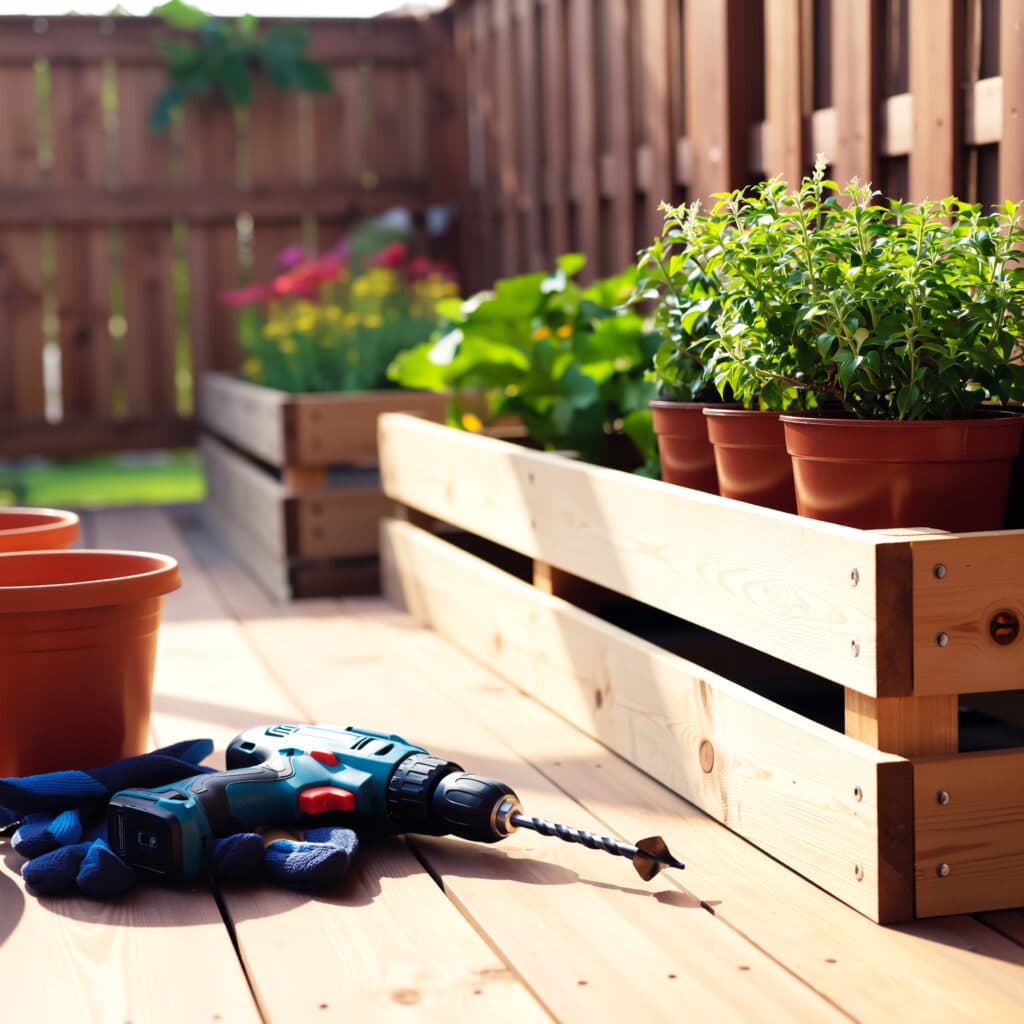
Starting your own vertical garden doesn’t have to be expensive or complicated. With a bit of planning, some basic tools, and creative thinking, you can transform any wall or unused corner into a lush green feature. On Vertgar.com, our complete guide to building a vertical garden on a budget walks you through the process in detail, showing you how to create a thriving setup without overspending.
Step 1: Plan Your Layout
Start by choosing the location for your vertical garden. Select an area that provides the right amount of sunlight for your chosen plants—most vegetables and herbs require a minimum of 6 hours of direct light, while ferns and some flowers do better in partial shade. Also, decide if your garden will serve a decorative purpose or be used for growing food, as this will guide both your design and plant choices.
Step 2: Choose the Right Frame or Structure
Your frame is the foundation of your vertical garden, so choose one that fits your space and style. Common options include:
- Wooden pallets for a rustic look
- Metal grid panels for modular arrangements
- Pre-made wall planters for easy installation
The budget-friendly build guide also shares tips for sourcing affordable materials, such as reclaimed wood or repurposed shelving, which can help keep costs low while adding unique character to your design.
Step 3: Install and Prepare the Base
Once you have your structure, secure it to a stable wall or create a freestanding frame if needed. Protect the wall behind it with a waterproof barrier, and fill your containers or planting pockets with a light, well-draining soil mix.
At this stage, you can also set up a simple irrigation system, such as a drip line, to keep your plants evenly watered.
When done right, a vertical garden not only looks beautiful but can also be surprisingly productive. And by following the budget-friendly techniques outlined in our step-by-step guide, you’ll have a greener home without breaking the bank.
Creative Vertical Garden Ideas for Your Home
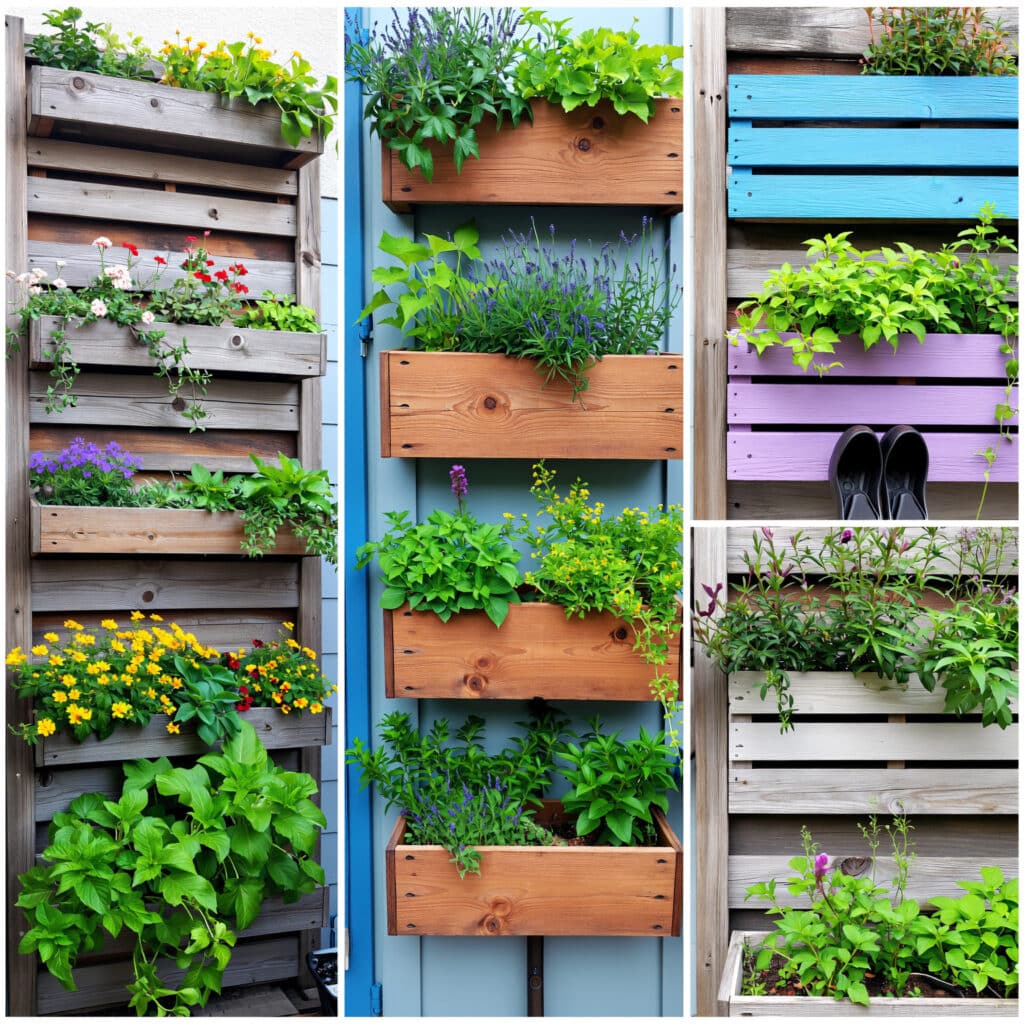
One of the best things about vertical gardening is how versatile it can be. Whether you want a living wall full of edible greens or a vibrant display of flowers, there’s a design that fits your style and space. At Vertgar.com, we’ve gathered 15 creative DIY vertical garden ideas using recycled materials to inspire gardeners who want something both beautiful and eco-friendly.
Upcycled Pallets and Crates
Wooden pallets and old fruit crates are perfect for turning unused vertical space into a lush green corner. They can be sanded, painted, and fitted with planting pockets for herbs, trailing flowers, or even small vegetables.
Hanging Gutter Gardens
Old rain gutters can be repurposed into tiered planters that hang along a wall or balcony railing. Their long, narrow shape makes them ideal for growing lettuce, strawberries, and herbs while keeping plants off the ground.
Repurposed Household Items
From shoe organizers to old ladders, everyday objects can be given a second life as plant holders. This not only saves money but also reduces waste — a win for both your home and the environment.
Many of these creative designs use low-cost or free materials, making them perfect for anyone who wants a stylish garden without a big budget. And because they rely on recycled items, they’re also a sustainable choice for eco-conscious gardeners.
Building a Pallet Vertical Garden
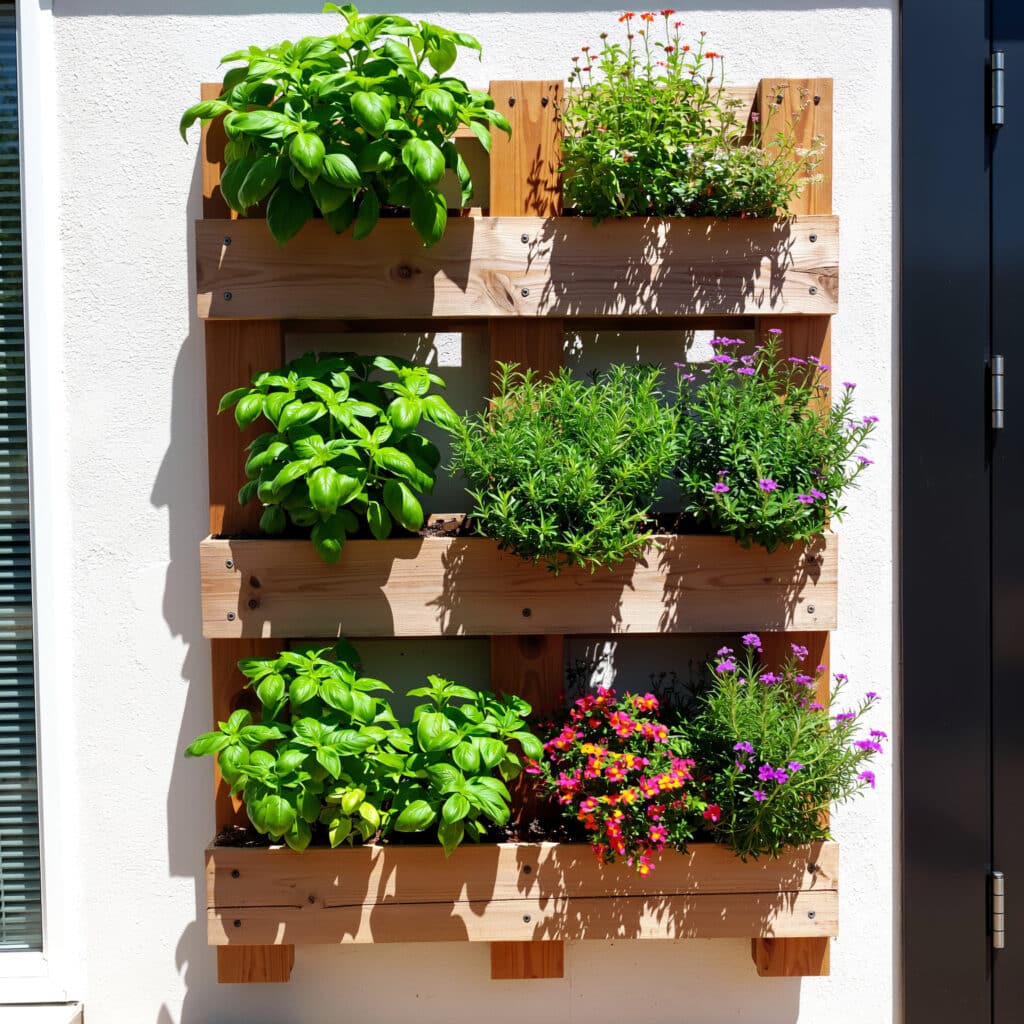
For gardeners who love a rustic look and want a budget-friendly option, pallet vertical gardens are a top choice. They’re sturdy, versatile, and can be adapted for both indoor and outdoor spaces. On Vertgar.com, our complete guide to building a pallet vertical garden details the essential tools you’ll need, tips for safe construction, and the best plants to use.
Choosing the Right Pallet
Not every pallet is suitable for gardening, as some are treated with harmful chemicals that can affect plant health. Choose pallets marked with “HT” (heat-treated) rather than “MB” (methyl bromide-treated) to ensure they’re safe—particularly important if you’re growing edible plants.
Preparing and Treating the Wood
Before assembling your garden, sand down the wood to remove splinters and rough edges. Applying a non-toxic wood sealant will help protect the pallet from moisture damage, prolonging its life.
Best Plants for Pallet Gardens
Pallet gardens are perfect for herbs, leafy greens, strawberries, and compact flowers like pansies or marigolds. The vertical layout also makes it easy to mix plants for both beauty and function.
A pallet garden can transform a blank wall into a green feature while making the most of limited space. With the step-by-step instructions and plant suggestions from our pallet garden guide, even beginners can create a thriving display in just a few hours.
Growing Herbs in a Vertical Garden
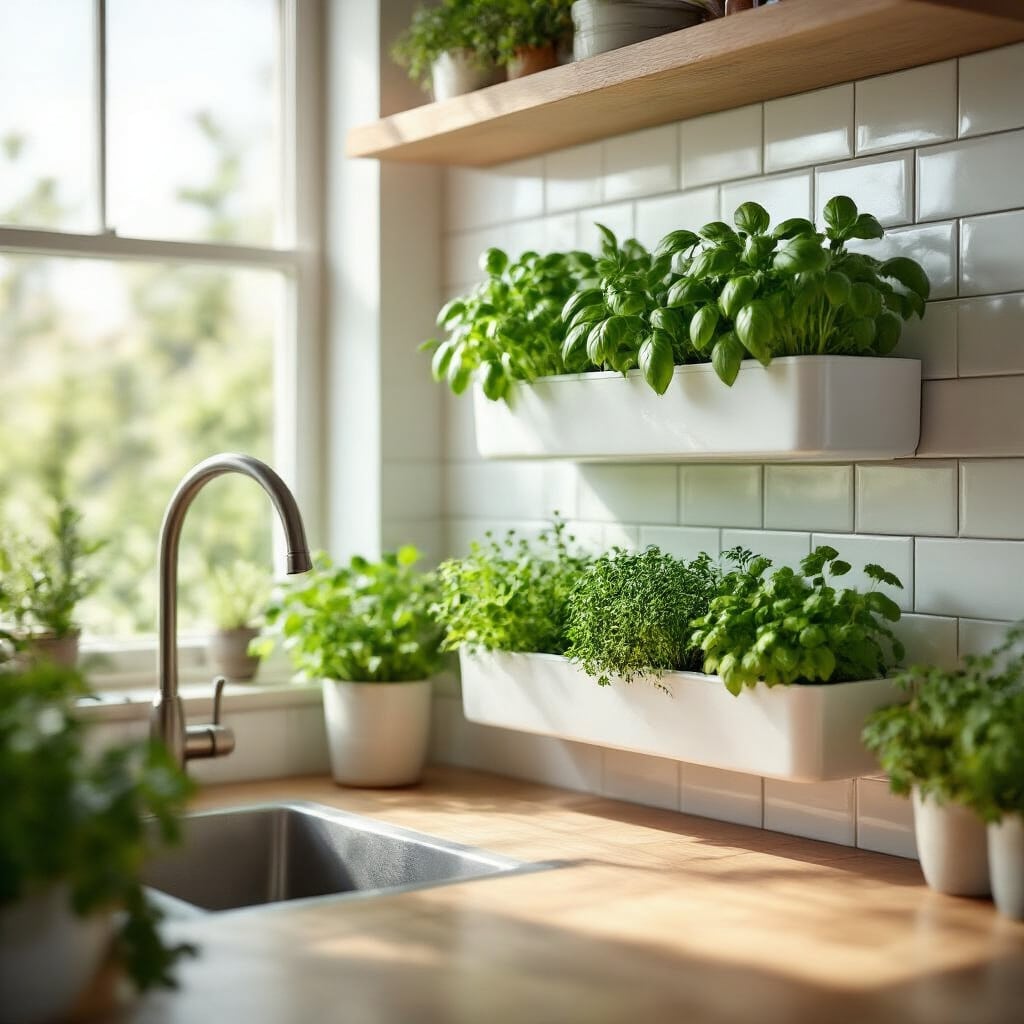
Herbs are among the simplest and most rewarding plants to cultivate in a vertical garden. They require little space, add fresh flavors to your cooking, and can be grown indoors or outdoors. In our detailed tutorial on Vertgar.com, we show how to make a vertical herb garden for your kitchen that keeps your favorite seasonings within arm’s reach.
Why Herbs Thrive in Vertical Gardens
Herbs like basil, parsley, mint, thyme, and oregano don’t need deep soil, making them ideal for wall-mounted planters, stacked shelves, or hanging pots. Their compact size also means you can grow several varieties in a small area.
Indoor vs. Outdoor Herb Gardens
If you have a sunny kitchen window or a wall that gets bright indirect light, you can grow herbs indoors year-round. For outdoor setups, place your vertical herb garden near your back door or patio so you can easily harvest fresh sprigs while cooking.
Year-Round Herb Care
Regular trimming encourages bushier growth, while consistent watering — ideally through a drip system — keeps herbs healthy. Using lightweight, well-draining potting mix will prevent root rot and make maintenance easier.
With the kitchen herb garden ideas and plant care tips from our guide, you can enjoy fresh, fragrant flavors in your meals no matter the season.
Growing Vegetables Vertically
Vegetables aren’t just for traditional garden beds — many varieties thrive in vertical setups, producing healthy harvests in limited space. At Vertgar.com, our expert guide on growing vegetables in a vertical garden shares the best practices and common mistakes to avoid so you can maximize yields.
Choosing Vertical-Friendly Vegetables
Some vegetables are naturally suited to climbing, trailing, or compact growth. Ideal candidates include:
- Climbers: beans, peas, cucumbers
- Compact growers: lettuce, spinach, radishes
- Hanging crops: cherry tomatoes, strawberries
By selecting varieties with growth habits that match your structure, you’ll create a more productive and manageable garden.
Soil and Watering Needs
Vegetables grown vertically benefit from well-draining soil enriched with organic matter. Consistent watering is key — drip irrigation or self-watering planters work well to keep roots hydrated without overwatering.
Avoiding Common Mistakes
Overcrowding plants, using poor-quality soil, and neglecting pest control can reduce productivity. Our vegetable gardening guide outlines how to space plants, enrich soil, and protect crops naturally so your vertical garden stays healthy all season.
With thoughtful plant choices and the right care, vertical vegetable gardening can yield fresh produce just steps from your kitchen.
DIY Hydroponic Vertical Gardens
Hydroponic systems take vertical gardening to the next level by growing plants without soil, using nutrient-rich water instead. This method is perfect for both indoor and outdoor setups, offering faster growth rates and higher yields. On Vertgar.com, our step-by-step guide to building a DIY hydroponic vertical garden explains how to design, assemble, and maintain a system that suits your space.
How Hydroponic Systems Work
In a hydroponic setup, plant roots are suspended in water or a growing medium such as clay pellets, perlite, or coco coir. Nutrients are delivered directly to the roots, allowing plants to absorb exactly what they need without competition from weeds.
Best Plants for Hydroponics
Leafy greens like lettuce, spinach, and kale are top performers in hydroponic systems, as are herbs like basil and mint. Some fruiting plants, such as cherry tomatoes and peppers, also adapt well when provided with proper support.
Maintenance and Nutrient Solutions
Regularly check pH levels, clean the system to prevent algae growth, and replenish nutrient solutions as plants grow. The hydroponic vertical garden guide includes maintenance tips and nutrient recipes to keep plants healthy and productive year-round.
With the right setup, hydroponic vertical gardening can produce fresh, pesticide-free food even in spaces where traditional soil gardening isn’t possible.
Living Wall Projects
Few garden designs make as dramatic an impact as a living wall — a vertical surface covered entirely with plants. These installations can serve as a stunning focal point indoors or outdoors, and with the right planning, they’re surprisingly achievable. On Vertgar.com, our guide to living wall projects shows you how to transform a plain wall into a thriving, green masterpiece.
Choosing the Right Wall and Location
Light and moisture are the two most important factors when selecting your wall. An exterior south-facing wall will give sun-loving plants the light they need, while a shaded indoor wall can be ideal for ferns and tropical plants.
Structural and Irrigation Setup
Living walls require a sturdy support system that can handle the weight of soil, plants, and water. Many designs incorporate modular panels with built-in irrigation, ensuring consistent moisture without manual watering.
Long-Term Care Tips
Maintaining a living wall involves more than just watering — regular pruning, fertilizing, and pest checks keep the installation lush and healthy. Our project guide also shares tricks for extending plant life and keeping walls vibrant throughout the year.
Whether you choose a full-scale outdoor feature or a small indoor accent, a living wall can completely transform your space.
Vertical Succulent Walls
If you’re looking for a low-maintenance yet visually stunning option, vertical succulent walls are hard to beat. Their unique shapes, colors, and textures create an eye-catching display that thrives with minimal care. In our feature on Vertgar.com, the DIY vertical succulent wall project walks you through building one from scratch, from selecting the right plants to arranging them for maximum impact.
Choosing Succulent Varieties
Succulents come in endless varieties, from rosettes like echeveria to trailing options like string of pearls. Mixing colors and leaf shapes adds depth and visual interest to your wall.
Soil Mix and Drainage
Because succulents dislike excess moisture, they need a well-draining soil mix and a frame designed to let water escape easily. A layer of mesh or chicken wire can help hold the soil in place while keeping plants secure.
Decorative Arrangements
The beauty of succulent walls lies in the design. Group similar colors together for a bold statement, or mix contrasting shades for a more dynamic look. Our guide also offers layout patterns and styling tips to help your wall stand out.
Succulent walls are perfect for busy gardeners, as they require little more than occasional watering and pruning to stay vibrant.
Vertical Gardens for Small Apartments
Even the smallest living spaces can host a thriving garden if you think vertically. With the right setup, you can grow herbs, flowers, and even small vegetables without taking up valuable floor space. On Vertgar.com, our guide to creating a vertical garden for small apartments explores space-saving solutions that work for balconies, kitchens, and living rooms.
Balcony and Wall-Mounted Options
If you have a balcony, wall-mounted planters, hanging baskets, or railing boxes can instantly bring greenery into your space. Indoors, modular shelving units or pegboard plant walls work well for keeping plants organized and within easy reach.
Indoor Lighting Solutions
Natural light can be scarce in apartments, especially during winter months. Supplemental grow lights — either clip-on or integrated into shelves — can keep plants healthy year-round.
Maintenance in Limited Space
Small-space vertical gardens benefit from lightweight planters, compact soil mixes, and self-watering systems to reduce mess and maintenance. The apartment gardening guide includes layout ideas and plant suggestions tailored for tight spaces.
By maximizing your vertical surfaces, you can enjoy the benefits of a garden even in a studio apartment.
Beginner’s Guide to Vertical Gardening
If you’re new to gardening, the idea of building an entire vertical system can feel overwhelming — but it doesn’t have to be. Our beginner’s guide to vertical gardening at Vertgar.com walks you through the essentials, from choosing the right plants to avoiding the mistakes that often trip up first-timers.
Essential Tools for Vertical Gardening
You don’t need a workshop full of equipment to start. Basic tools like a hand trowel, pruners, a watering can, and a small step ladder are enough for most beginner projects. For larger setups, a cordless drill can help with frame assembly.
Choosing Easy-to-Grow Plants
For a hassle-free start, pick resilient plants that adapt well to vertical environments. Herbs like mint, basil, and parsley, as well as leafy greens and certain flowers, are ideal for beginners.
Common Beginner Mistakes and Fixes
New gardeners often overwater, overcrowd plants, or use heavy soil mixes that don’t drain well. The guide explains how to correct these issues so your vertical garden remains healthy and productive.
By following the beginner’s framework, you’ll have the confidence to expand your garden over time — adding more plants, experimenting with designs, and even integrating hydroponic or living wall elements.
Conclusion
Vertical gardening opens up a world of possibilities for gardeners of all skill levels, especially those working with limited space. By thinking upward instead of outward, you can turn a bare wall, balcony, or corner into a thriving green display that’s both practical and beautiful.
From budget-friendly builds and recycled-material designs to specialized setups like hydroponic systems and living walls, there’s a vertical gardening solution for every home. And as you’ve seen throughout this guide, starting small with easy-to-grow plants, proper supports, and efficient watering systems will set you up for success.
At Vertgar.com, you’ll find step-by-step tutorials for each type of project featured in this guide — whether you’re ready to grow fresh herbs in your kitchen, harvest vegetables from a balcony garden, or build a succulent wall that doubles as art. With the right approach, your vertical garden can provide fresh produce, cleaner air, and a daily dose of greenery for years to come.
Frequently Asked Questions About Vertical Gardening
1. How to make a vertical garden step by step?
Start by selecting the location and assessing light conditions. Choose a suitable frame, such as a pallet, wall-mounted planter, or metal grid. Secure the structure, protect the wall if needed, and add a lightweight, well-draining soil mix. Finally, arrange plants based on their light and water needs, and set up a watering system for consistent care.
2. What are the disadvantages of vertical gardening?
While space-saving and attractive, vertical gardens can dry out faster than traditional gardens, requiring more frequent watering. They may also need stronger structural support for heavier plants and can require ongoing pruning and maintenance to keep them looking their best.
3. What grows best in a vertical garden?
Herbs, leafy greens, strawberries, trailing flowers, and climbing vegetables like beans and peas perform exceptionally well in vertical gardens. The key is choosing plants with shallow roots and growth habits that suit your structure.
4. What garden tool helps plants grow vertically?
Trellises, plant stakes, and vertical supports help guide plant growth upward. For vegetables like tomatoes and cucumbers, adding netting or a sturdy frame ensures stability and better airflow around the plants.
5. Which plants will grow best in a vertical growing machine?
In vertical hydroponic or aeroponic systems, leafy greens such as lettuce, kale, and spinach, as well as herbs like basil and mint, thrive. Compact fruiting plants like cherry tomatoes and peppers can also be grown successfully with proper support.
6. How to keep heavy plants upright?
Use strong supports such as trellises, cages, or reinforced frames. Secure stems with soft ties or clips to avoid damage. For very heavy crops, consider growing them closer to the base of the structure to reduce strain.