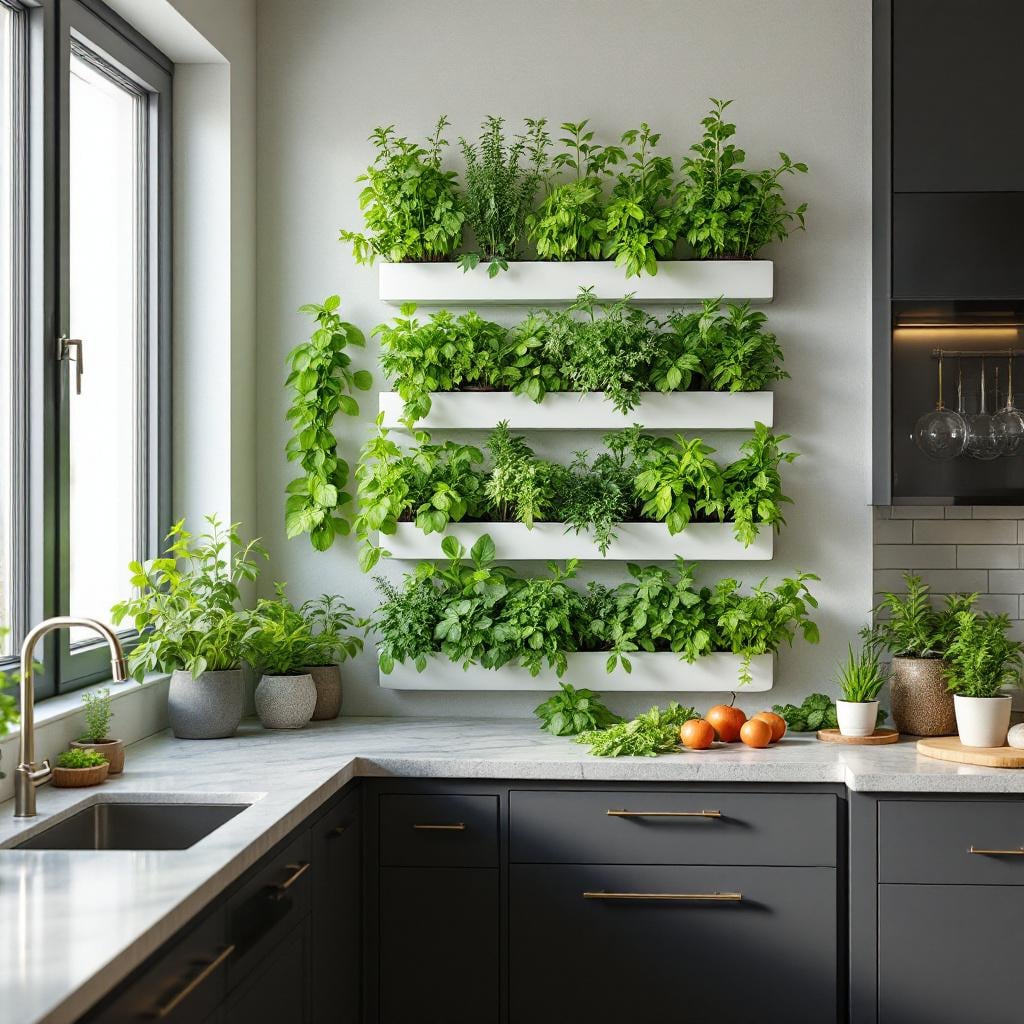
Fresh herbs at your fingertips can completely transform the way you cook. Instead of relying on store-bought packets, a vertical herb garden in your kitchen lets you snip basil, parsley, mint, or rosemary whenever you need them — straight from the wall to your pan.
Vertical herb gardens are also an excellent solution for small kitchens or apartments with limited counter space. By using walls or vertical frames, you can grow multiple herbs in a compact setup that doubles as a beautiful green feature.
This guide will walk you through:
- The materials and tools you’ll need,
- Step-by-step instructions to set up your garden,
- The best herbs to choose for indoor growing,
- How to manage light, watering, and care,
- And tips to keep your garden thriving year-round.
Whether you’re a seasoned cook or a beginner plant enthusiast, a vertical herb garden is one of the most practical and rewarding DIY projects for your kitchen.
Choosing the Right Setup for a Kitchen Herb Garden
The first step in building a vertical herb garden is deciding where and how you’ll install it. Since it’s for the kitchen, you’ll need to balance functionality, space, and aesthetics.
Wall-Mounted Planters
- Best for small kitchens with free wall space.
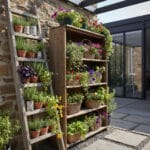
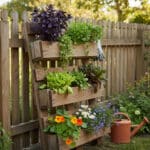
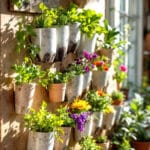
- Use mounted racks, shelves, or specially designed vertical planters.
- Works well for lightweight herbs like basil, thyme, and oregano.
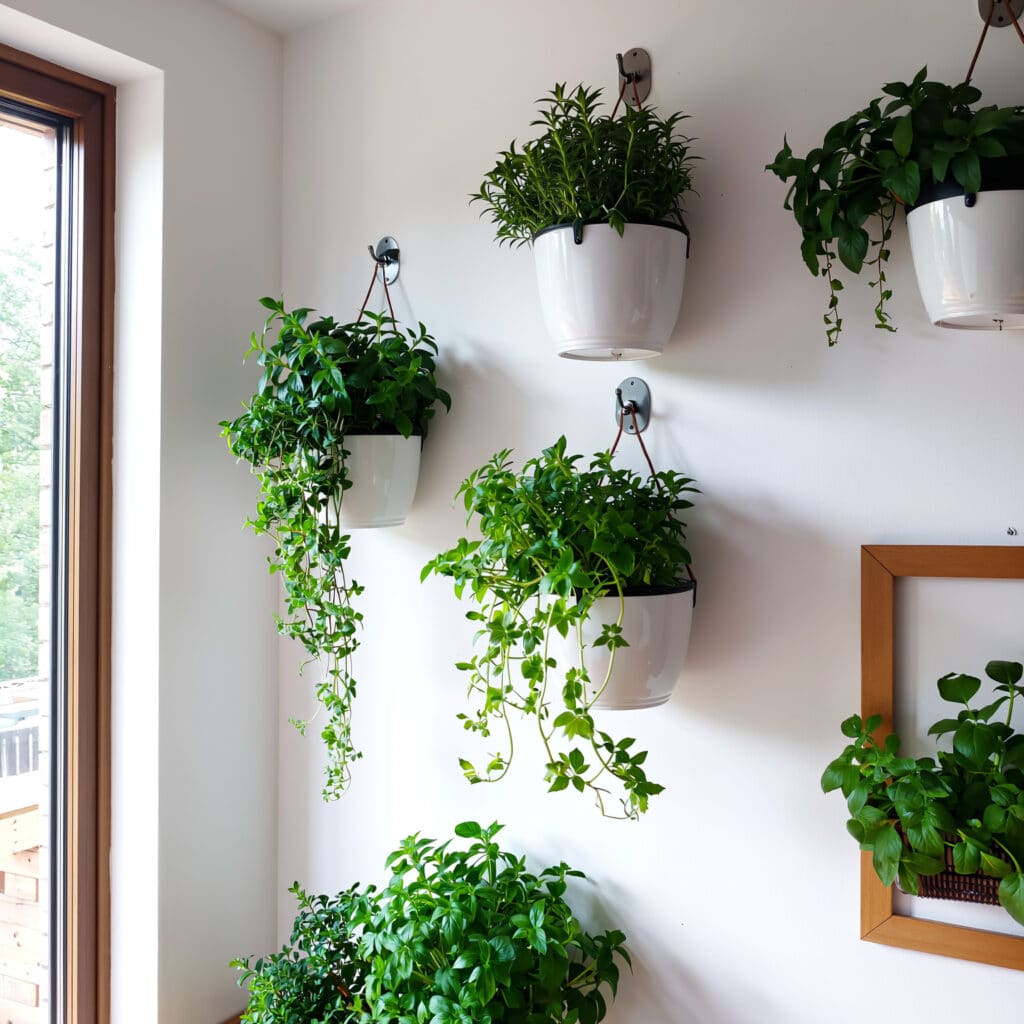
Hanging Systems
- Ideal for kitchens with little wall space but high ceilings.
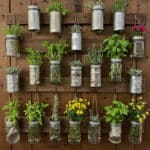
- You can hang fabric pouches, mason jars, or pots vertically with hooks.
- Adds a decorative touch while maximizing unused space.
Freestanding Vertical Frames
- Great for renters who cannot drill into walls.
- Wooden or metal frames can hold stacked pots or fabric pockets.
- Easy to move around to capture sunlight.
Window Herb Gardens
- If you have a sunny kitchen window, a narrow vertical planter is perfect.
- Direct light ensures strong, aromatic herbs.
💡 For very small apartments, freestanding or modular systems can be adapted, much like the solutions described in our guide on creating vertical gardens for small apartments.
Materials and Tools You’ll Need
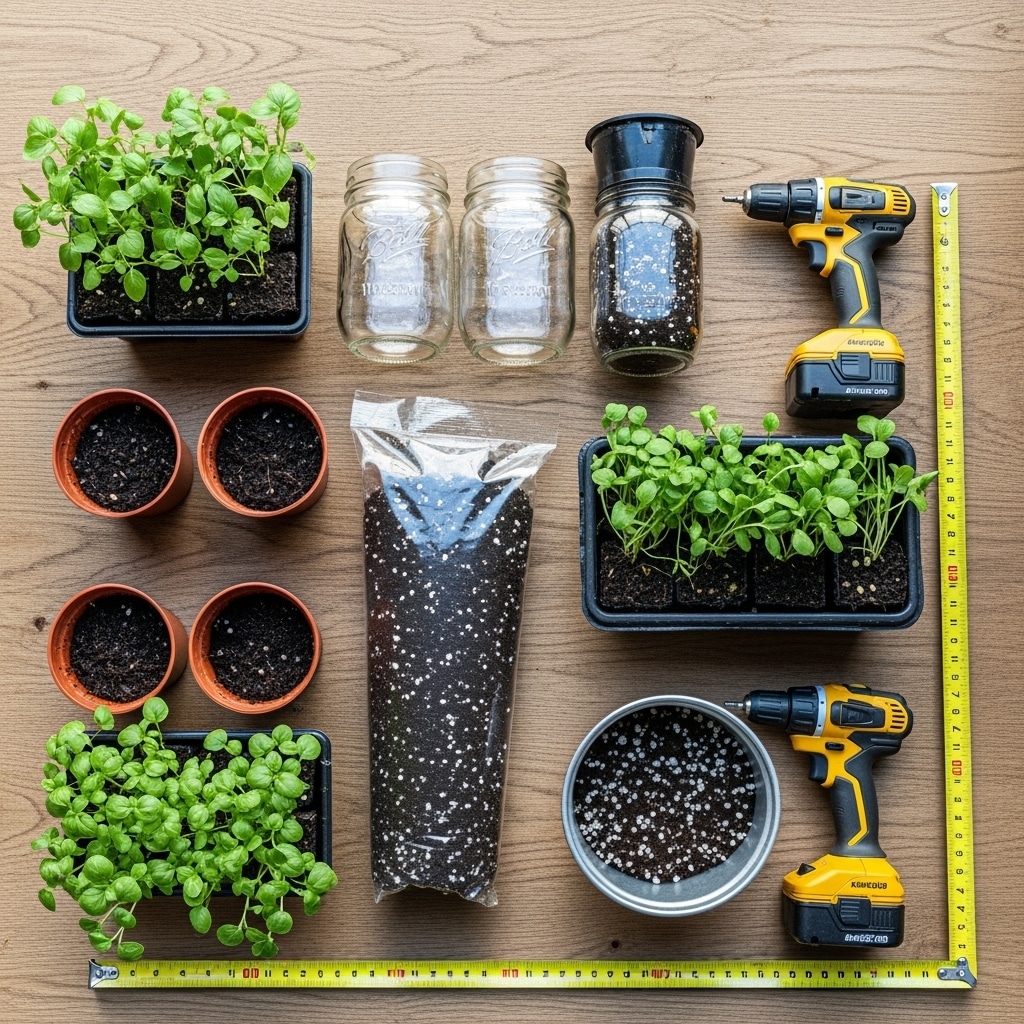
Creating a vertical herb garden for your kitchen doesn’t require complex tools. Most materials are affordable and easy to find at home improvement or gardening stores.
Essential Materials
- Planters or containers – small pots, mason jars, fabric pouches, or modular vertical systems.
- Mounting frame or structure – wooden board, metal rack, or freestanding frame to hold the planters.
- Potting soil – lightweight, well-draining mix suitable for indoor herbs.
- Herb seedlings or seeds – basil, parsley, thyme, cilantro, mint, or rosemary are popular choices.
- Waterproof liner or tray – protects your kitchen walls and counters from water spills.
Optional Extras
- LED grow lights – perfect if your kitchen lacks direct sunlight.
- Drip irrigation kit – keeps watering consistent and low-maintenance.
- Decorative labels – chalkboard tags or wooden markers for identifying herbs.
Basic Tools
- Drill and screws (for wall-mounted planters)
- Hammer and nails (for lightweight setups)
- Measuring tape and level (to ensure even spacing)
- Scissors or utility knife (for fabric systems)
🔗 Some of these materials overlap with those recommended for broader vertical setups, such as in our DIY hydroponic vertical garden guide, especially if you plan to expand your system later.
Step-by-Step Instructions to Build Your Kitchen Herb Garden
Once you’ve chosen your setup and gathered materials, it’s time to put everything together. Here’s a simple process to follow:
Step 1: Choose the Location
- Pick a sunny wall or window in your kitchen with at least 4–6 hours of light daily.
- Avoid areas directly above stoves or heat sources, as herbs can dry out quickly.
Step 2: Prepare the Frame or Support
- For wall-mounted setups: secure your rack, shelf, or board with screws.
- For freestanding systems: ensure stability by checking the base balance.
- Add a waterproof backing or liner if the system is against a painted wall.
Step 3: Prepare Containers
- Ensure all pots, jars, or pouches have drainage holes (except hydroponic systems).
- Place a small layer of gravel or clay pellets at the bottom to improve drainage.
Step 4: Add Soil and Herbs
- Fill containers with potting mix, leaving 2–3 cm at the top.
- Plant herbs in clusters that you use often — basil and parsley near each other, for example.
- Gently pat down soil to keep roots firm but not compacted.
Step 5: Arrange and Secure Plants
- Place lighter herbs (thyme, oregano) at the top and heavier ones (rosemary, mint) lower down.
- Keep trailing or decorative herbs where they can drape naturally.
Step 6: First Watering
- Water lightly until soil is moist but not soggy.
- Use a tray or liner to catch excess water and protect your kitchen surface.
Many of these steps are similar to methods used when making larger living wall systems, as shown in our article on living wall projects, just scaled down for indoor kitchen spaces.
Best Herbs for Indoor Vertical Gardens
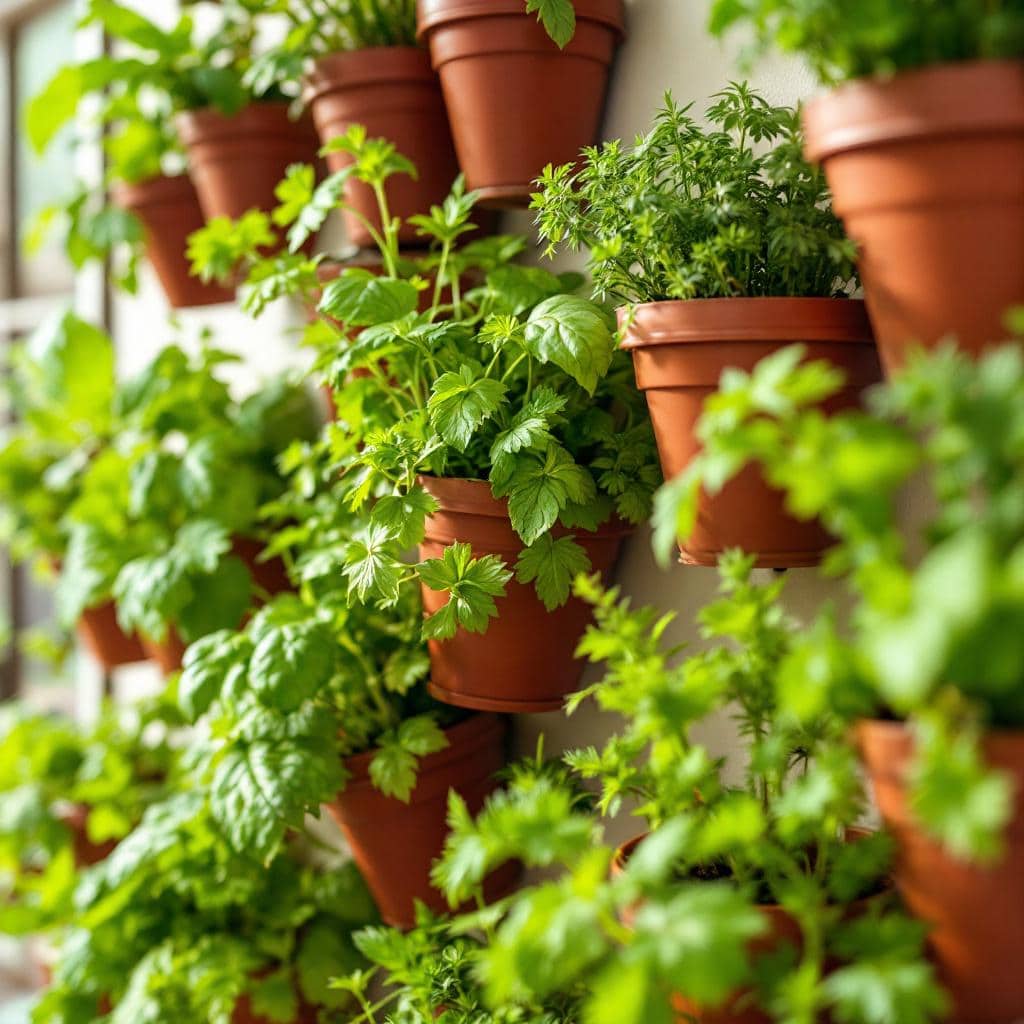
Choosing the right herbs is essential for a thriving kitchen vertical garden. Since space and soil depth are limited, it’s best to grow herbs that adapt well to indoor environments and container gardening.
Easy-to-Grow Kitchen Staples
- Basil – thrives in warm kitchens with steady light, perfect for pasta and salads.
- Parsley – grows quickly, loves moisture, and pairs well with most dishes.
- Cilantro (Coriander) – great for fresh salsas and curries, though it has a shorter growing cycle.
Low-Maintenance Herbs
- Thyme – small, hardy, and drought-resistant.
- Oregano – perfect for Mediterranean cooking, adapts to shallow containers.
- Chives – regrow easily after cutting and add a mild onion flavor.
Aromatic Additions
- Mint – very vigorous, best kept in a separate pot to control spreading.
- Rosemary – woody and aromatic, requires strong light but adds structure to the garden.
- Sage – hardy and flavorful, well-suited to vertical setups.
Herb Placement Tip
Keep fast-growing herbs like basil and parsley within easy reach for frequent harvesting, while woody herbs like rosemary should be placed lower down for stability.
This selection mirrors the principles of plant choice used in larger vertical gardens, as explained in our guide on best practices for growing vegetables in vertical gardens, where shallow-rooted and compact plants are the most successful.
Light, Watering, and Care Tips for Indoor Herbs
A vertical herb garden in your kitchen needs consistent care to thrive. Since indoor conditions differ from outdoor gardens, adjusting light and watering is the key to healthy plants.
Light Requirements
- Most herbs need 4–6 hours of direct sunlight daily.
- Place the garden near a south-facing window if possible.
- If natural light is limited, install LED grow lights with a timer set for 10–12 hours.
Watering Guidelines
- Indoor vertical gardens dry faster due to limited soil volume.
- Check moisture daily: soil should be slightly damp, not soggy.
- Water from the top, allowing excess to drain into a tray.
- Herbs like basil and parsley prefer more frequent watering, while rosemary and thyme like drier soil.
Fertilization
- Use a diluted liquid fertilizer every 3–4 weeks.
- Organic options like compost tea or seaweed extract keep herbs flavorful.
Pruning and Harvesting
- Regular harvesting encourages bushier growth.
- Always cut above a leaf node to promote branching.
- Remove yellow or weak leaves to keep the garden fresh.
Much like other compact vertical systems such as DIY hydroponic gardens, consistency in watering and light makes the difference between thriving herbs and struggling ones.
Costs, Challenges, and Common Mistakes to Avoid
Even though vertical herb gardens are simple, planning ahead helps you avoid wasted time and money.
Typical Costs
- DIY budget setup: $20–$50 using recycled jars, basic soil, and a simple rack or pallet.
- Mid-range system: $60–$150 for modular planters, better lighting, and irrigation add-ons.
- Premium indoor kits: $200+ for hydroponic or smart garden systems with automated watering and lighting.
Common Challenges
- Light shortage – kitchens with little natural light often need grow lights.
- Overwatering – limited soil means excess water can lead to root rot quickly.
- Crowding herbs – planting too many herbs too close reduces airflow and increases disease risk.
Mistakes to Avoid
- Using non-draining containers, which suffocate roots.
- Choosing large or deep-rooted plants (like tomatoes) instead of compact herbs.
- Neglecting pruning — herbs like basil will flower and stop producing if not regularly harvested.
FAQs About Kitchen Vertical Herb Gardens
1. How do you make a simple vertical herb garden indoors?
A simple method is to mount a wooden board or metal rack on your kitchen wall and secure small pots or jars to it. Similar setups are used in compact living wall projects, as seen in indoor vertical gardening solutions, just scaled down for herbs.
2. What herbs grow best in a kitchen vertical garden?
Herbs with shallow roots and compact growth thrive indoors, including basil, parsley, thyme, oregano, chives, and mint. This mirrors the approach used in vertical vegetable gardens, where smaller plants perform better in limited soil.
3. Do vertical herb gardens need sunlight?
Yes, most herbs require 4–6 hours of direct light daily. South-facing windows work best, while LED grow lights are recommended in kitchens with limited natural light.
4. What materials do I need for a vertical herb garden?
The essentials include pots or jars, a supporting frame, potting soil, and your chosen herbs. Optional items like drip irrigation kits and waterproof liners are also used in DIY hydroponic systems for more advanced setups.
5. How do you water indoor vertical herb gardens?
Water lightly but frequently, keeping soil damp without over-saturating. Since vertical gardens dry out quickly, trays or liners can prevent water from spilling in your kitchen.
6. How much does it cost to build a vertical herb garden?
Small DIY herb gardens can cost under $50 if you use recycled containers, while more advanced modular systems with lighting can exceed $150. Costs are comparable to other budget-friendly builds like pallet vertical gardens.